
The wearable technology market has moved well beyond the simple pedometers and heart rate straps of its early years. Today’s wrist‑worn devices, smart rings, and even sensor‑embedded clothing capture a rich stream of physiological data that includes blood oxygen saturation, skin temperature variation, electrodermal activity, and detailed sleep architecture. This evolution transforms wearables from motivational gadgets into sophisticated health‑monitoring tools that can offer early warning of illness, track recovery from training, and support the management of chronic conditions. While the technology is not a substitute for medical advice, its ability to surface patterns invisible to the naked eye is changing how individuals relate to their own bodies. The next frontier lies in making sense of this data deluge and integrating it meaningfully into everyday wellbeing and clinical pathways.
Advertorial
Night‑time data has become an area of intense focus. Modern wearables use optical sensors and accelerometers to estimate sleep stages, track heart rate variability (HRV) overnight, and measure respiratory rate, all of which provide a window into the autonomic nervous system’s state of recovery. A sudden drop in HRV or an elevated resting heart rate over several nights can signal the onset of an infection, often before the wearer feels noticeably unwell. Some devices now present a daily “readiness” score that synthesises sleep quality, recent activity, and HRV trends to suggest whether the body is primed for exertion or in need of rest. Athletes, shift workers, and anyone recovering from illness are using these insights to pace their days more intelligently. The shift from generic step goals to personalised, recovery‑oriented metrics represents a significant maturation of the category.
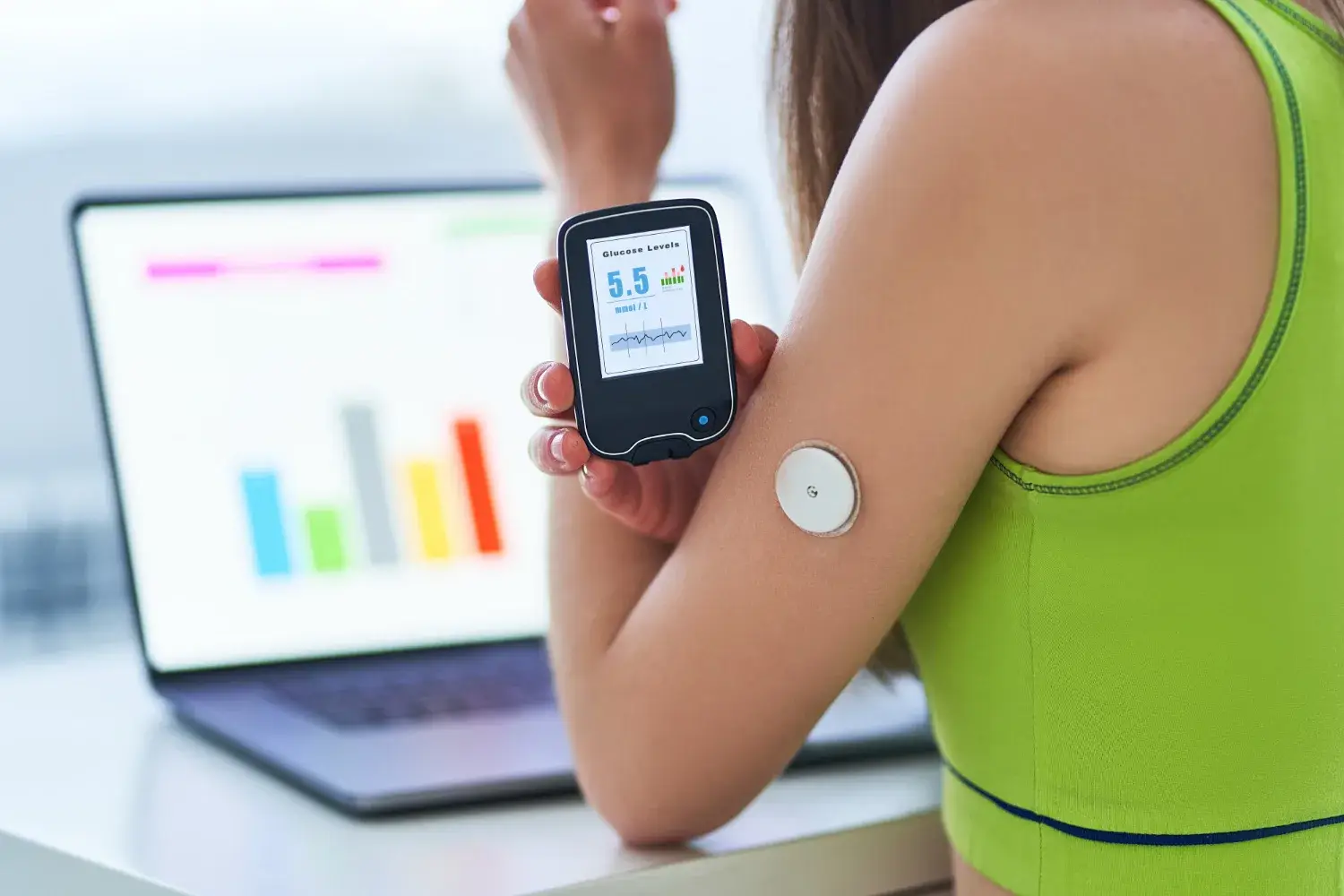
Long‑term health monitoring for chronic conditions is an area where wearables are beginning to demonstrate real utility. Continuous glucose monitors, once the preserve of diabetes management, are now being adopted by non‑diabetic users curious about their metabolic responses to different foods. Paired with a smartwatch that tracks activity, stress, and sleep, the data reveals how meals, exercise, and rest interact in highly individual ways. Some wearables can perform a single‑lead electrocardiogram (ECG) that, while not diagnostic, can flag atrial fibrillation and prompt a visit to a doctor. Researchers are investigating the use of skin temperature and heart rate data from devices to monitor inflammatory conditions and to assist in the management of long COVID. As accuracy improves and algorithms gain regulatory approval for specific use cases, the role of wearables in supported self‑care is likely to expand under clinical guidance.