
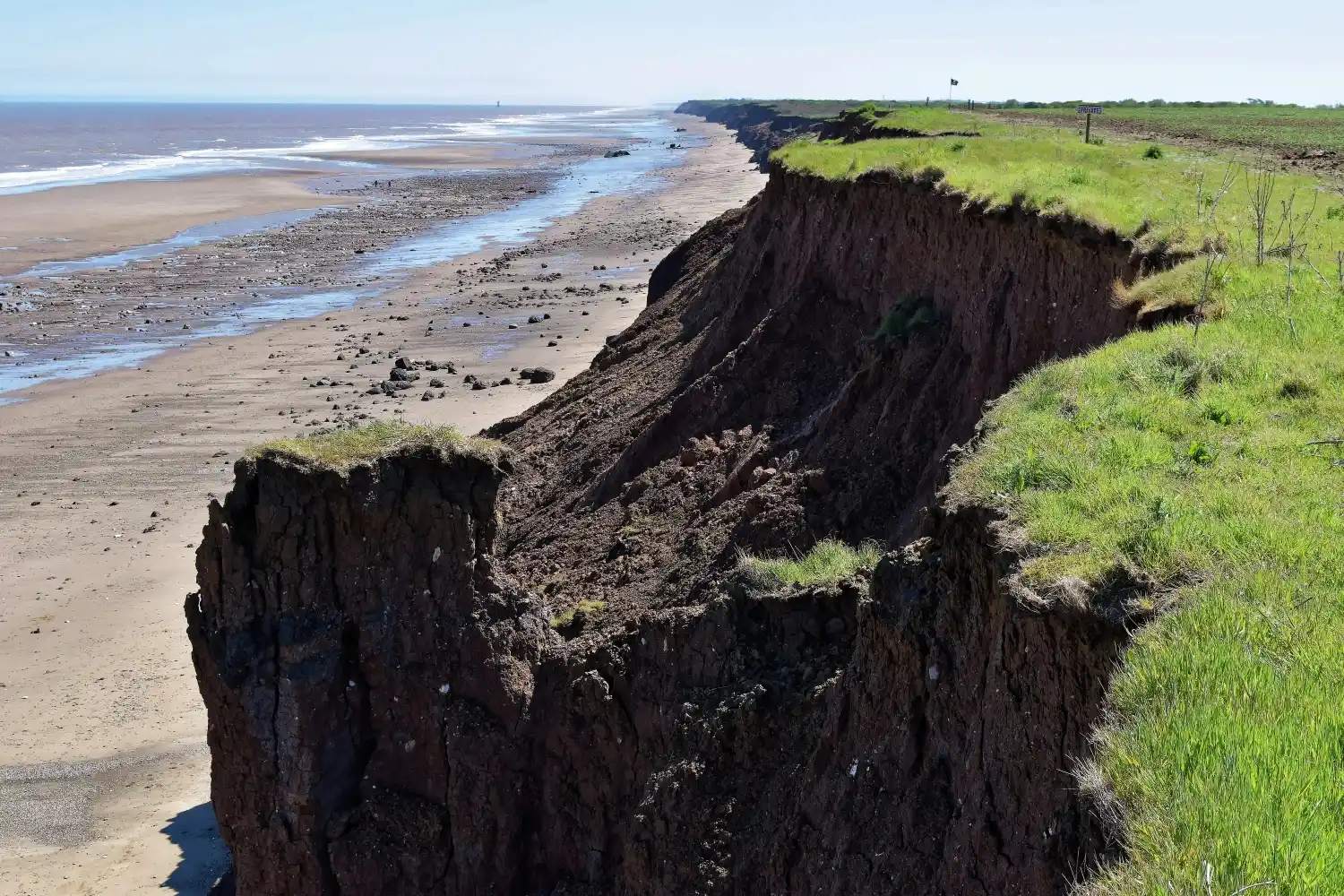
The southern coast of England, with its soft chalk cliffs, shifting shingle beaches, and estuarine mudflats, has always been a landscape in motion, shaped by wind, wave, and tide. Yet the pace of change is quickening as sea levels rise and storms intensify, placing homes, infrastructure, and cherished ecosystems under increasing pressure. Coastal erosion management has evolved dramatically in recent decades, moving from hard‑engineered defences that often transferred the problem further along the shore to more adaptive, nature‑based strategies. The communities that live along this ever‑changing edge are engaged in a difficult conversation about what to hold and what to let go, and how to work with natural processes rather than fight a losing battle against the sea.
Advertorial
Traditional hard defences, such as sea walls, revetments, and groynes, still have a role in protecting dense urban areas and critical infrastructure such as railways and power stations. However, their limitations are well documented. By reflecting wave energy, they can scour the beach from in front of the wall, steepening the shore and eventually undermining the structure itself. Groynes trap sand on one side but can starve downdrift beaches of sediment, accelerating erosion miles away. The maintenance costs of these structures are immense and likely to become unsustainable as seas rise. This engineering realism has prompted a shift in official guidance, with bodies such as the Environment Agency now advocating for a “managed adaptive approach” that is more honest about where permanent defence is feasible and where realignment is inevitable. For some low‑lying farmland and marginal coastal settlements, the long‑term plan involves a managed retreat, allowing the sea to reclaim the land in a controlled manner.
Nature‑based solutions are asserting themselves as both cheaper and more ecologically rich alternatives where conditions permit. Beach nourishment, the practice of adding sand and shingle to a foreshore, replicates the natural replenishment that would occur if sediment were not trapped behind dams and harbours. Saltmarsh and mudflat restoration, often achieved by breaching old embankments and allowing controlled tidal flooding, absorbs wave energy far more effectively than an engineered barrier and provides nursery grounds for fish, feeding areas for wading birds, and significant carbon burial. Offshore kelp beds and reinstated oyster reefs are being trialled as underwater breakwaters that reduce wave reach before it hits the shore. These so‑called “blue infrastructure” projects deliver benefits not only for coastal defence but for fisheries, biodiversity, and carbon sequestration, aligning climate adaptation with the restoration of natural capital.