
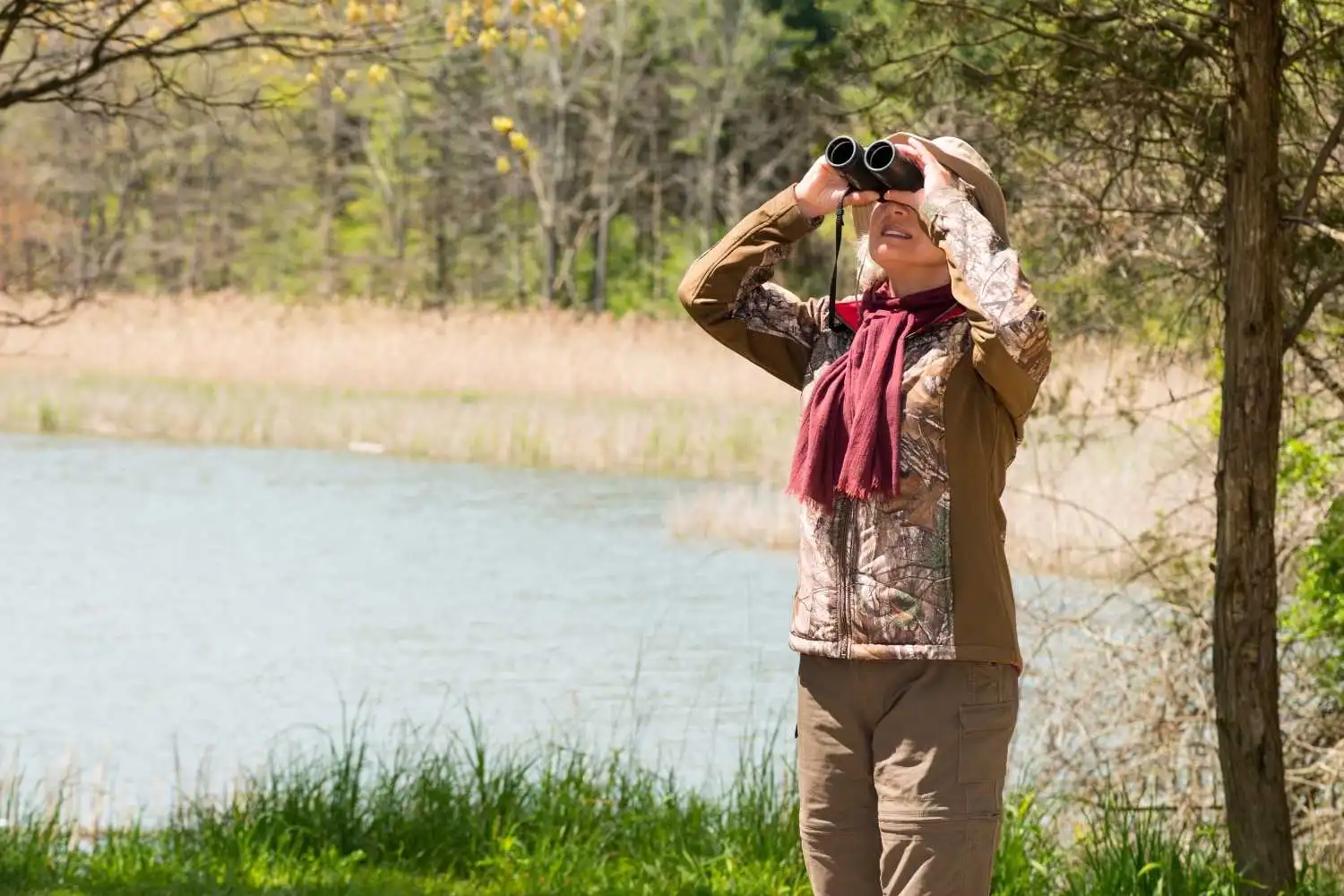
With a pair of binoculars, a notebook, and a patient disposition, anyone can step into the absorbing world of birdwatching, an activity that melds quiet observation with the deep psychological benefits of spending time outdoors. The hobby has shed its dusty, anorak‑clad image and is attracting a much wider demographic, including younger urban dwellers seeking respite from screen‑dominated days. Birdwatching encourages a state of relaxed attentiveness that is remarkably similar to mindfulness meditation. The act of scanning a hedgerow or a stretch of mudflat, waiting and listening, draws the mind gently into the present. In a culture that constantly urges people to do more, birdwatching offers permission to simply be and notice. It is an accessible, low‑cost pursuit that can be practised in a local park or garden just as well as in a remote nature reserve.
Advertorial
The mindfulness aspect arises from the focused, non‑judgemental awareness that birdwatching demands. Identifying a bird requires attention to multiple sensory inputs: the shape of its silhouette, the pattern of its flight, the quality of its call, the flash of colour on a wing. The mind, occupied with these details, has little room for rumination about the past or anxiety about the future. This is the very essence of mindful presence. Several studies have linked time spent observing birds in natural settings to reduced levels of cortisol and improved mood, findings that resonate with the personal experience of countless enthusiasts. The quiet thrill of spotting a species for the first time, or witnessing a familiar bird perform an interesting behaviour, delivers a gentle dopamine reward that reinforces the habit. Birdwatching is, in a sense, a moving meditation, one in which the object of concentration is alive, surprising, and beautiful.
Getting started requires very little equipment. A decent pair of binoculars, perhaps an entry‑level 8×42 model that balances magnification and field of view, is the main investment. A field guide, whether a traditional book or a well‑reviewed phone app that includes calls and songs, helps with identification. Comfortable, weather‑appropriate clothing and sturdy footwear are more important than technical gadgetry. Many beginners find it helpful to join a local RSPB group, a Wildlife Trust walk, or an informal bird‑watching outing advertised on social media. More experienced birders are often delighted to share their knowledge and loan equipment, and learning in company accelerates the development of identification skills. The community is notably welcoming and spans a wide range of ages and backgrounds, united by a common fascination with the feathered wildness that persists among human settlements.