
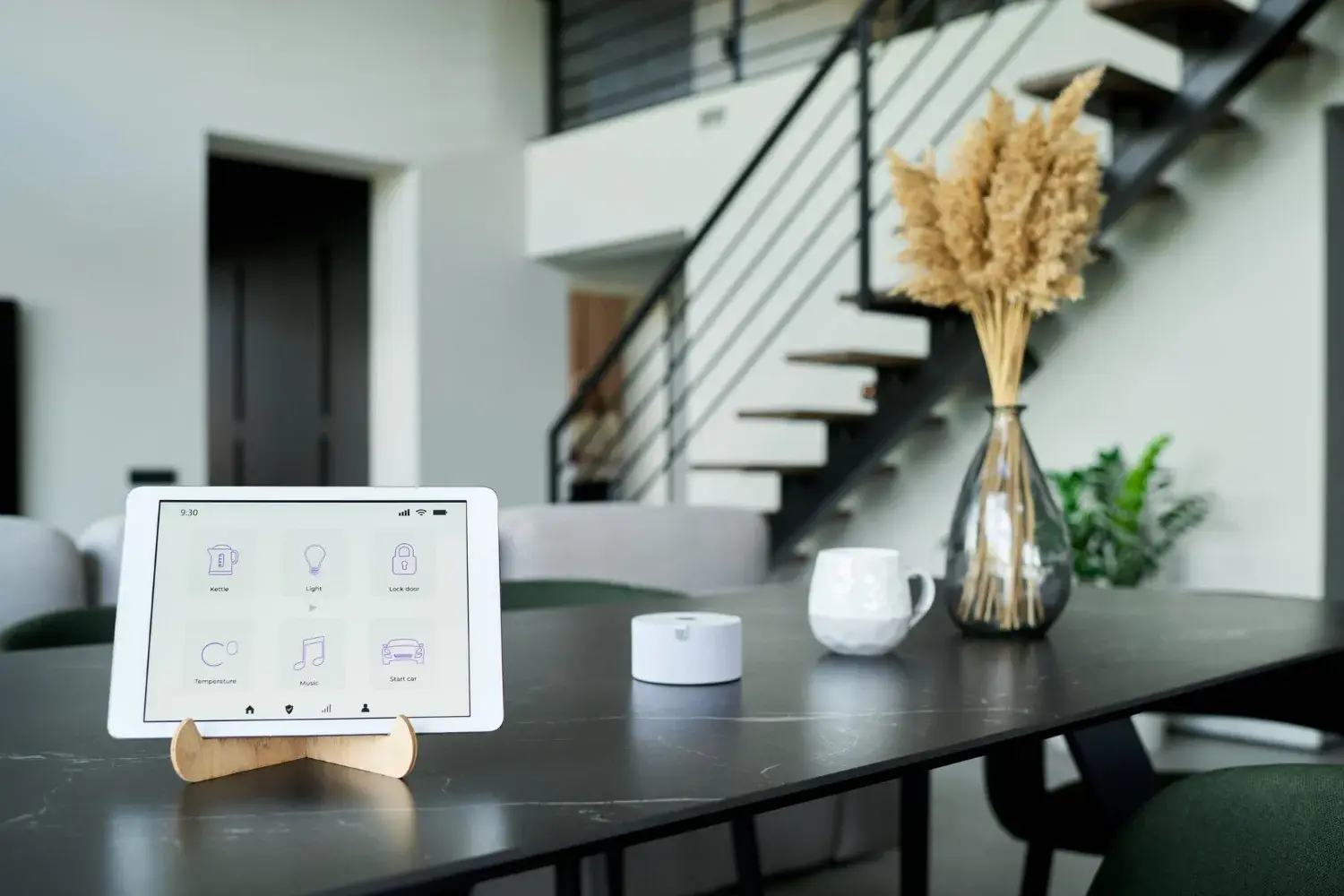
The convenience of smart home devices—voice assistants, connected thermostats, security cameras, and even smart kettles—has seen them welcomed into millions of UK households. Yet each of these devices is a node in a vast data‑collection network, gathering information about the rhythms, behaviours, and preferences of the people who use them. Privacy concerns have grown as consumers begin to grasp the sheer volume of data generated and the opaque ways it can be shared, sold, or exposed. Regulators and privacy advocates have raised alarms, leading to new legislation and industry standards, but the responsibility for protecting one’s personal sphere still rests heavily on the individual. Navigating the smart home landscape with privacy in mind is both a technical and a behavioural challenge, one that requires understanding what data is being collected, where it goes, and how to limit unnecessary exposure.
Advertorial
Voice assistants are among the most intimate devices, as they feature microphones that are always listening for their wake word. While the major manufacturers insist that audio is only streamed to cloud servers after activation, occasional reports of accidental recordings and human review of anonymised clips have eroded trust. Users can take practical steps to minimise risk: regularly deleting stored voice recordings through the device’s privacy dashboard, turning off the microphone when it is not needed, and disabling features that share data with third‑party skills or apps. It is also wise to avoid placing smart speakers in bedrooms or other spaces where private conversations occur frequently. For those who value voice control but are uneasy about cloud processing, a new wave of devices with on‑device speech recognition is beginning to emerge, keeping audio data entirely local.
Connected security cameras and video doorbells present a complex privacy picture. They are designed to protect a home, yet they can also capture footage of neighbours, passers‑by, and visitors who have not consented to being recorded. The UK’s data protection laws, including the General Data Protection Regulation and the Data Protection Act 2018, apply to domestic CCTV if it captures areas beyond the homeowner’s property boundary. Users should position cameras to minimise the field of view on to public pavements or neighbouring properties, and they should display clear signage indicating that recording is in operation. Strong, unique passwords and two‑factor authentication are essential to prevent unauthorised access to video feeds, as security researchers have repeatedly demonstrated the ease with which poorly secured cameras can be breached. Storing footage locally on a secure recorder, rather than in the cloud, reduces the attack surface further.