
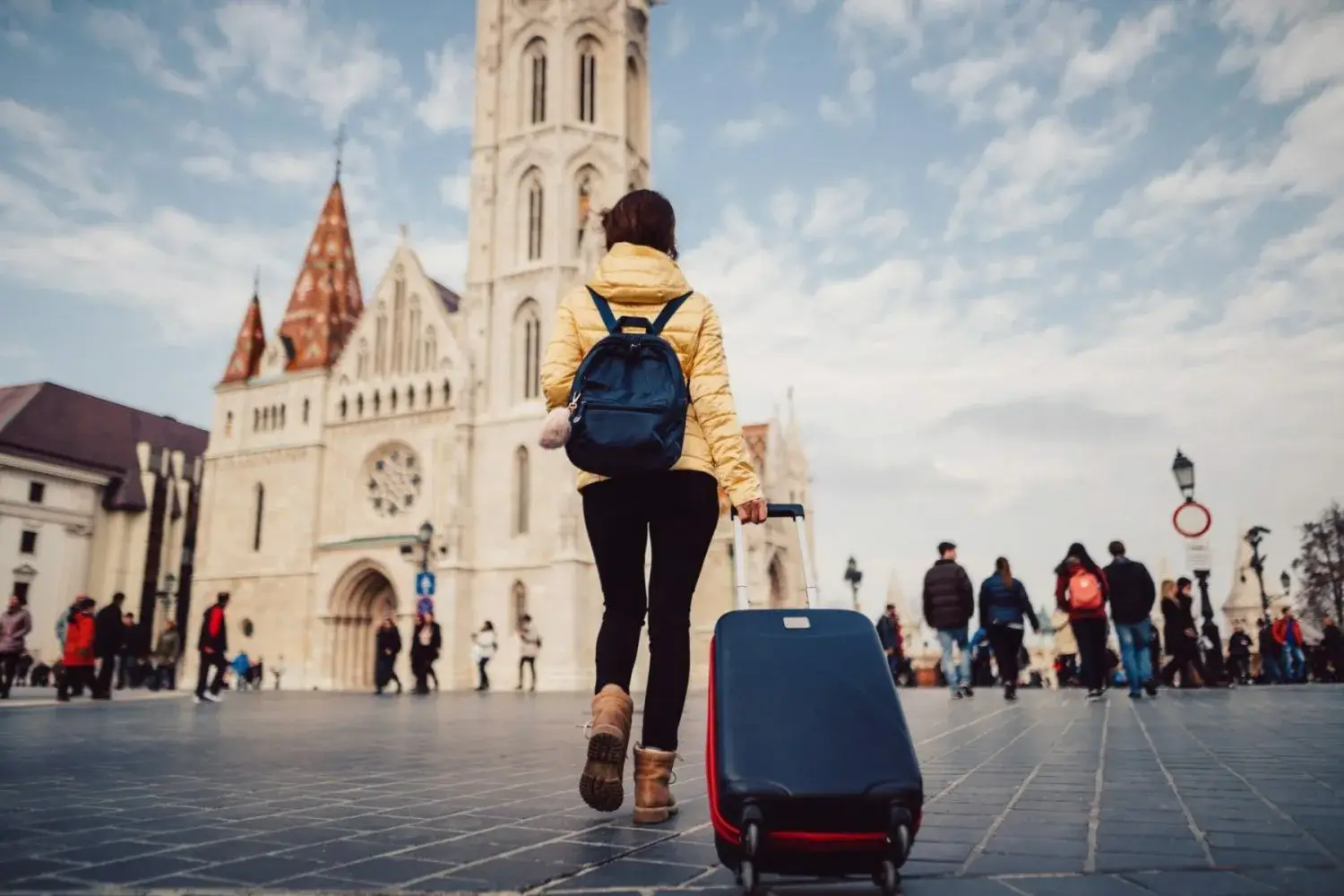
The concept of slow travel, which prioritises depth of experience over the number of destinations visited, has gained steady ground across Europe. Travellers are increasingly choosing to spend a fortnight exploring a single region or city rather than sprinting through five countries in ten days. This approach is a conscious reaction against the burnout often induced by fast‑paced itineraries, as well as a response to growing awareness of tourism’s environmental footprint. Slow travel encourages a deeper engagement with local culture, food, language, and landscape, turning a trip into something more akin to a temporary way of life than a collection of sights ticked off a list. Europe, with its dense train networks, walkable towns, and diverse regional identities, is particularly well‑suited to this style of journey. The rise of slow travel reflects a broader cultural shift towards valuing time, connection, and authenticity over mere accumulation.
Advertorial
Rail journeys lie at the heart of the slow travel revival in Europe. The continent’s rail infrastructure allows travellers to move comfortably between cities and into the countryside while watching the scenery unfold, a pleasure entirely absent from a short‑haul flight. Routes such as the Bernina Express through the Swiss Alps, the West Highland Line in Scotland, or the regional trains winding through the vineyards of the Douro Valley become experiences in their own right, not just means of transport. An increasing number of travellers are purchasing Interrail passes and designing multi‑stop itineraries that prioritise the journey over the destination. Night trains, which had declined for decades, are being reintroduced on routes between capitals such as Vienna, Paris, and Berlin, offering a practical and romantic way to cover long distances while minimising carbon emissions and maximising time on the ground.
Staying in one place for an extended period opens up a different quality of encounter with local life. A week or two in a self‑catering cottage in Provence, a village in the Peloponnese, or a canal‑side town in the Netherlands allows for the rhythm of daily routines to emerge. Mornings might be spent at the local bakery, afternoons walking a section of a nearby long‑distance trail, and evenings cooking with ingredients purchased from the market. Conversations with neighbours, shopkeepers, and farmers gradually deepen as faces become familiar. This immersion is a world away from the transactional interactions that characterise whirlwind tourism. Slow travellers often report feeling more rested, more curious, and more emotionally connected to the places they visit. The memories forged are not of queues and rushed photo stops but of quiet, sensory‑rich moments.