
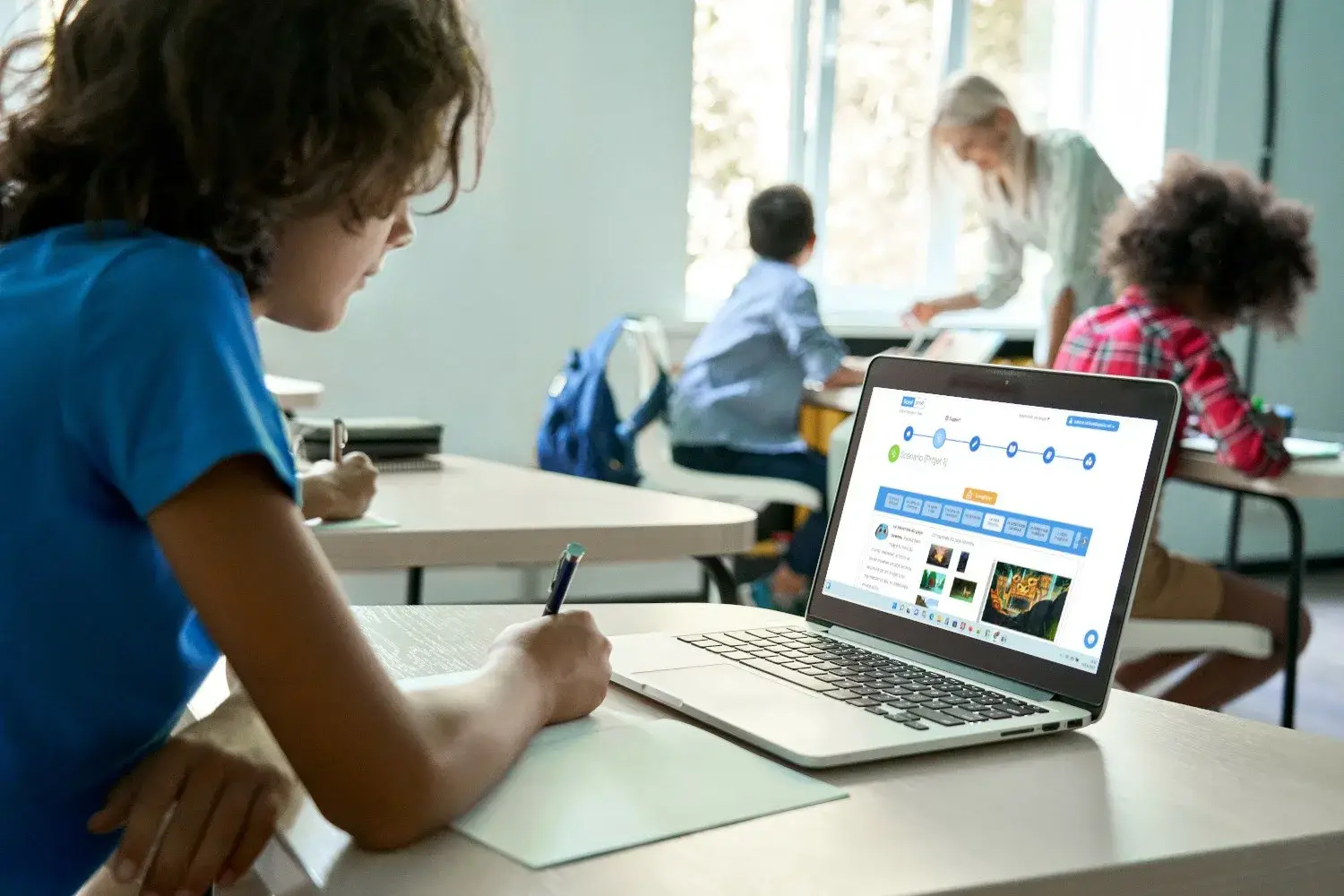
Schools, colleges, and universities across the United Kingdom are increasingly turning to open source software as a means to stretch constrained budgets, teach transferable digital skills, and foster a culture of digital citizenship among learners. The appeal is multifaceted: open source tools are typically free to use, can be customised to meet specific pedagogical needs, and avoid locking institutions into proprietary ecosystems that demand expensive, recurring licences. From the Moodle learning management system that powers countless virtual learning environments to installations of Linux on ageing hardware in computer labs, open source is quietly underpinning the educational technology landscape. The trend reflects a broader philosophical alignment with the values of knowledge sharing, transparency, and community that education has long upheld.
Advertorial
The economic case for open source in education is compelling in an era of tight public sector finances. A secondary school that switches its office productivity suite from name‑brand software to LibreOffice saves thousands of pounds annually, funds that can be redirected towards classroom resources or learner support. Raspberry Pi computers, running open source operating systems, provide affordable, hands‑on platforms for teaching coding, electronics, and computational thinking. University research programmes can avoid the spiralling costs of proprietary statistical and modelling software by adopting R, Python, and Julia ecosystems supported by global academic communities. The absence of per‑seat licensing fees also removes administrative friction, allowing IT staff to deploy and manage software across hundreds of machines without worrying about compliance audits or true‑up costs. These savings accumulate significantly over multiple years and can fundamentally shift what a department can afford to offer.
Pedagogically, open source software equips learners with skills that are portable and deep. Understanding how to use a word processor is one thing; understanding file formats, version control, collaborative workflows, and the basics of scripting in a free environment is another. Students who learn to solve problems on open source platforms are better prepared for a technology labour market that increasingly values adaptability and foundational knowledge over familiarity with a single vendor’s interface. Computer science programmes built around Linux, Git, and open source compilers cultivate engineers who are comfortable reading, modifying, and contributing to real‑world codebases. Even in non‑STEM fields, the ability to manage content on platforms like WordPress or to analyse data with Python and Pandas is a powerful addition to a graduate’s skill set. Education that incorporates open source teaches students not just to be users, but to be creators and active participants in the digital world.