
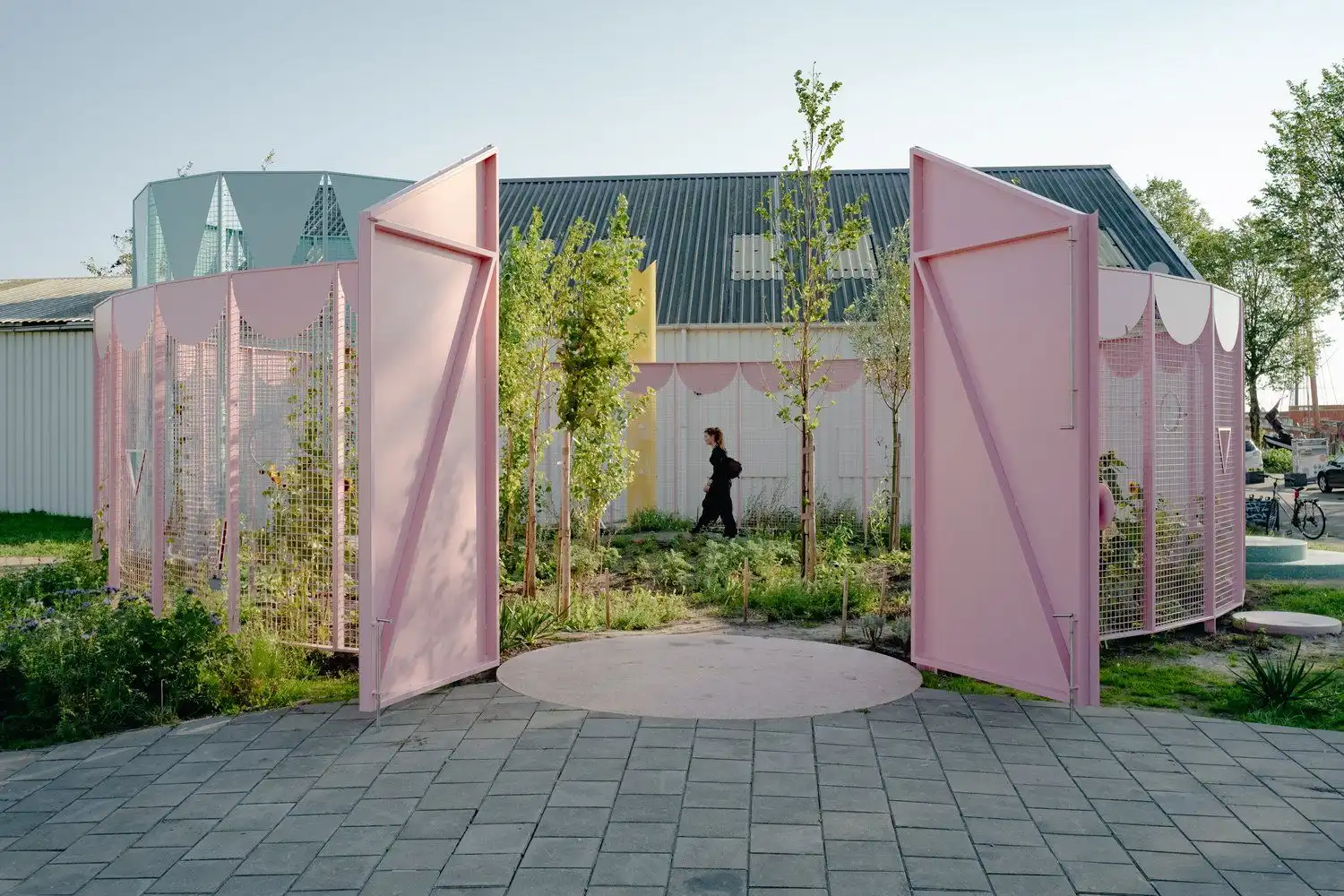
The image of rewilding often conjures vast Highland estates or sprawling nature reserves, yet a quieter, no less significant, movement is taking root in the suburbs of Britain. Local councils, community groups, and individual householders are beginning to treat parks, verges, school grounds, and even small front gardens as pockets of ecological potential rather than ornamental spaces to be tightly controlled. This ground‑level rewilding involves relaxing the compulsion to mow, prune, and tidy, allowing native wildflowers, grasses, and scrub to return. The results are striking: insects, birds, and small mammals reappear in places that were once ecological deserts. Suburban rewilding reconnects people with the rhythms of nature on their very doorsteps, challenging the cultural preference for manicured lawns and offering a hopeful, participatory answer to biodiversity decline.
Advertorial
The ecological rationale for rewilding even small patches of land is robust. Traditional suburban maintenance, with its close‑mown grass and regimented bedding plants, offers little food or shelter for wildlife. A single unmown strip can host dozens of wildflower species—oxeye daisy, knapweed, clover, and bird’s‑foot trefoil—that provide nectar for bees and butterflies throughout the seasons. Scrubby hedgerows and piles of logs create nesting sites and refuges for hedgehogs, slow worms, and songbirds. The connectivity between these green corridors is critical; a series of suburban patches linked by railway embankments and garden fences can form a functional network for species movement. Biodiversity monitoring by local volunteer groups is documenting the swift return of life when mowing regimes are relaxed, providing the data needed to reassure sceptics that the apparent messiness is, in fact, a sign of health.
The social dimension of suburban rewilding is as important as the ecological one. Projects often begin with a small group of neighbours who invite others to join, perhaps through a letter‑box flyer or a post on a local social media group. Working parties to plant native hedging, dig a pond, or construct bug hotels build friendships and a shared sense of stewardship. Children discover the wonder of a caterpillar on a leaf or a frog in a damp corner, experiences that many have been denied in increasingly sanitised outdoor environments. Local schools incorporate the wilded area into science and art lessons. The transformation of a previously bland patch of municipal grass into a humming, colourful meadow becomes a source of neighbourhood pride, as well as a gentle rebuke to the notion that land must be productive in a narrowly human sense to have value.