Home Technology
Category:

Technology

Advertorial

The wearable technology market has moved well beyond the simple pedometers and heart rate straps of its early years. Today’s wrist‑worn devices, smart rings, and even sensor‑embedded clothing capture a rich stream of physiological data that includes blood oxygen saturation, skin temperature variation, electrodermal activity, and detailed sleep architecture. This evolution transforms wearables from motivational gadgets into sophisticated health‑monitoring tools that can offer early warning of illness, track recovery from training, and support the management of chronic conditions. While the technology is not a substitute for medical advice, its ability to surface patterns invisible to the naked eye is changing how individuals relate to their own bodies. The next frontier lies in making sense of this data deluge and integrating it meaningfully into everyday wellbeing and clinical pathways.

Night‑time data has become an area of intense focus. Modern wearables use optical sensors and accelerometers to estimate sleep stages, track heart rate variability (HRV) overnight, and measure respiratory rate, all of which provide a window into the autonomic nervous system’s state of recovery. A sudden drop in HRV or an elevated resting heart rate over several nights can signal the onset of an infection, often before the wearer feels noticeably unwell. Some devices now present a daily “readiness” score that synthesises sleep quality, recent activity, and HRV trends to suggest whether the body is primed for exertion or in need of rest. Athletes, shift workers, and anyone recovering from illness are using these insights to pace their days more intelligently. The shift from generic step goals to personalised, recovery‑oriented metrics represents a significant maturation of the category.

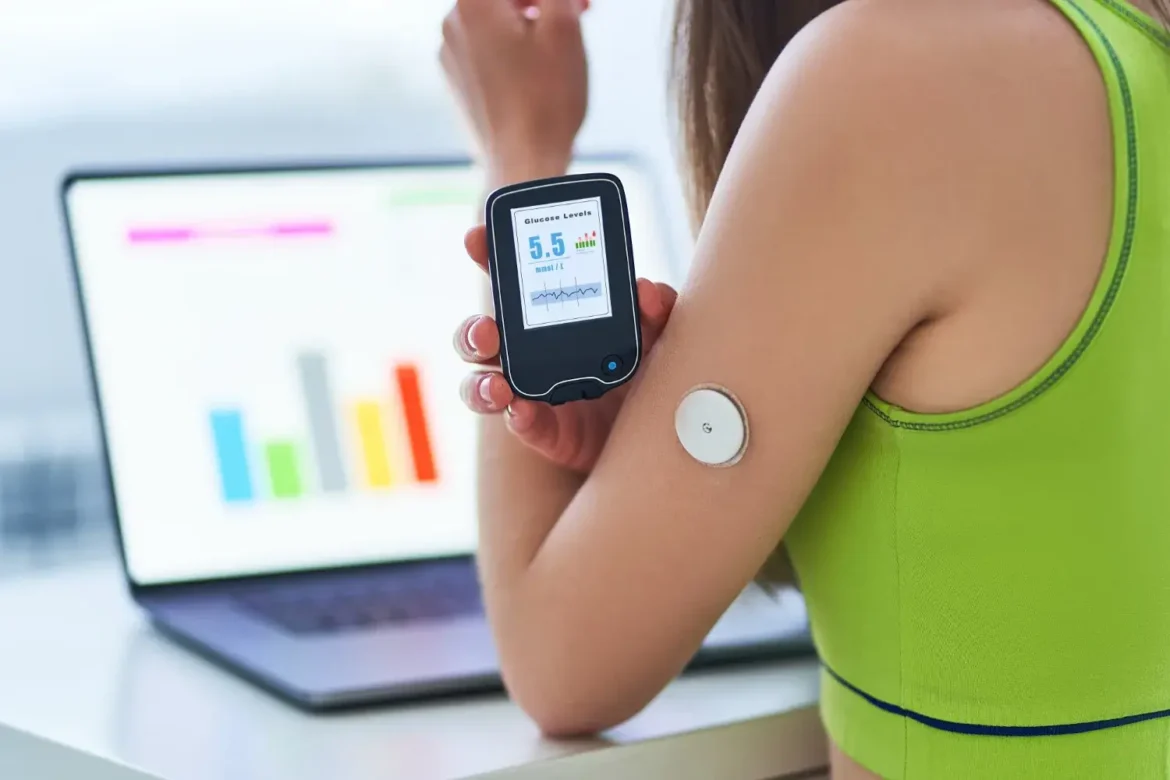
Long‑term health monitoring for chronic conditions is an area where wearables are beginning to demonstrate real utility. Continuous glucose monitors, once the preserve of diabetes management, are now being adopted by non‑diabetic users curious about their metabolic responses to different foods. Paired with a smartwatch that tracks activity, stress, and sleep, the data reveals how meals, exercise, and rest interact in highly individual ways. Some wearables can perform a single‑lead electrocardiogram (ECG) that, while not diagnostic, can flag atrial fibrillation and prompt a visit to a doctor. Researchers are investigating the use of skin temperature and heart rate data from devices to monitor inflammatory conditions and to assist in the management of long COVID. As accuracy improves and algorithms gain regulatory approval for specific use cases, the role of wearables in supported self‑care is likely to expand under clinical guidance.


Pages: 1 2

Advertorial

Schools, colleges, and universities across the United Kingdom are increasingly turning to open source software as a means to stretch constrained budgets, teach transferable digital skills, and foster a culture of digital citizenship among learners. The appeal is multifaceted: open source tools are typically free to use, can be customised to meet specific pedagogical needs, and avoid locking institutions into proprietary ecosystems that demand expensive, recurring licences. From the Moodle learning management system that powers countless virtual learning environments to installations of Linux on ageing hardware in computer labs, open source is quietly underpinning the educational technology landscape. The trend reflects a broader philosophical alignment with the values of knowledge sharing, transparency, and community that education has long upheld.

The economic case for open source in education is compelling in an era of tight public sector finances. A secondary school that switches its office productivity suite from name‑brand software to LibreOffice saves thousands of pounds annually, funds that can be redirected towards classroom resources or learner support. Raspberry Pi computers, running open source operating systems, provide affordable, hands‑on platforms for teaching coding, electronics, and computational thinking. University research programmes can avoid the spiralling costs of proprietary statistical and modelling software by adopting R, Python, and Julia ecosystems supported by global academic communities. The absence of per‑seat licensing fees also removes administrative friction, allowing IT staff to deploy and manage software across hundreds of machines without worrying about compliance audits or true‑up costs. These savings accumulate significantly over multiple years and can fundamentally shift what a department can afford to offer.

Pedagogically, open source software equips learners with skills that are portable and deep. Understanding how to use a word processor is one thing; understanding file formats, version control, collaborative workflows, and the basics of scripting in a free environment is another. Students who learn to solve problems on open source platforms are better prepared for a technology labour market that increasingly values adaptability and foundational knowledge over familiarity with a single vendor’s interface. Computer science programmes built around Linux, Git, and open source compilers cultivate engineers who are comfortable reading, modifying, and contributing to real‑world codebases. Even in non‑STEM fields, the ability to manage content on platforms like WordPress or to analyse data with Python and Pandas is a powerful addition to a graduate’s skill set. Education that incorporates open source teaches students not just to be users, but to be creators and active participants in the digital world.

Pages: 1 2

Advertorial

The direction of enterprise computing continues to tilt heavily towards cloud environments, but the nature of that shift is evolving as businesses gain experience with the strengths and limitations of the model. By 2026, the conversation is no longer about whether to move to the cloud but about how to optimise multi‑cloud, hybrid, and edge strategies for cost, performance, sovereignty, and resilience. Organisations that rushed into public cloud adoption are now pausing to assess which workloads truly belong in a hyperscale data centre and which would be better served by private infrastructure. The industry is also contending with a growing emphasis on sustainability, as the energy demands of large‑scale data centres attract scrutiny. These shifts reflect a maturing market moving beyond hype towards a more nuanced, architectural understanding of cloud computing.

Repatriation of certain workloads from the public cloud back to on‑premises or colocation facilities has become a notable trend. Applications with steady, predictable demand can often run more cheaply on owned hardware than on a pay‑per‑use metered model, especially when storage and data egress fees are taken into account. Companies that made lift‑and‑shift migrations without re‑architecting applications to be cloud‑native have often found themselves paying a premium for performance that does not justify the cost. Finance departments, facing tighter budgets, are now pushing for granular cloud cost analysis, and chief technology officers are responding with a more selective approach. The result is not a retreat from cloud, but a hybrid equilibrium where each workload is regularly assessed for its most appropriate home. This pragmatism represents a maturation of cloud strategy, grounded in real‑world operating data rather than vendor marketing.

Multi‑cloud management is another defining characteristic of the current landscape. Businesses increasingly distribute workloads across two or more public cloud providers to avoid vendor lock‑in, improve resilience, and access specialised services. This approach, however, introduces complexity in governance, security, and data integration. The demand for tools that offer a single pane of glass across disparate environments has fuelled growth in platforms such as HashiCorp Terraform, Kubernetes‑based orchestration, and managed service layers that abstract away provider‑specific quirks. Skills in multi‑cloud architecture and FinOps—the discipline that blends finance, operations, and engineering to control cloud spending—are among the most sought after in the technology jobs market. Training existing staff and recruiting for these competencies has become a strategic priority for organisations that want to manage complexity without ballooning headcount.

Pages: 1 2

Advertorial

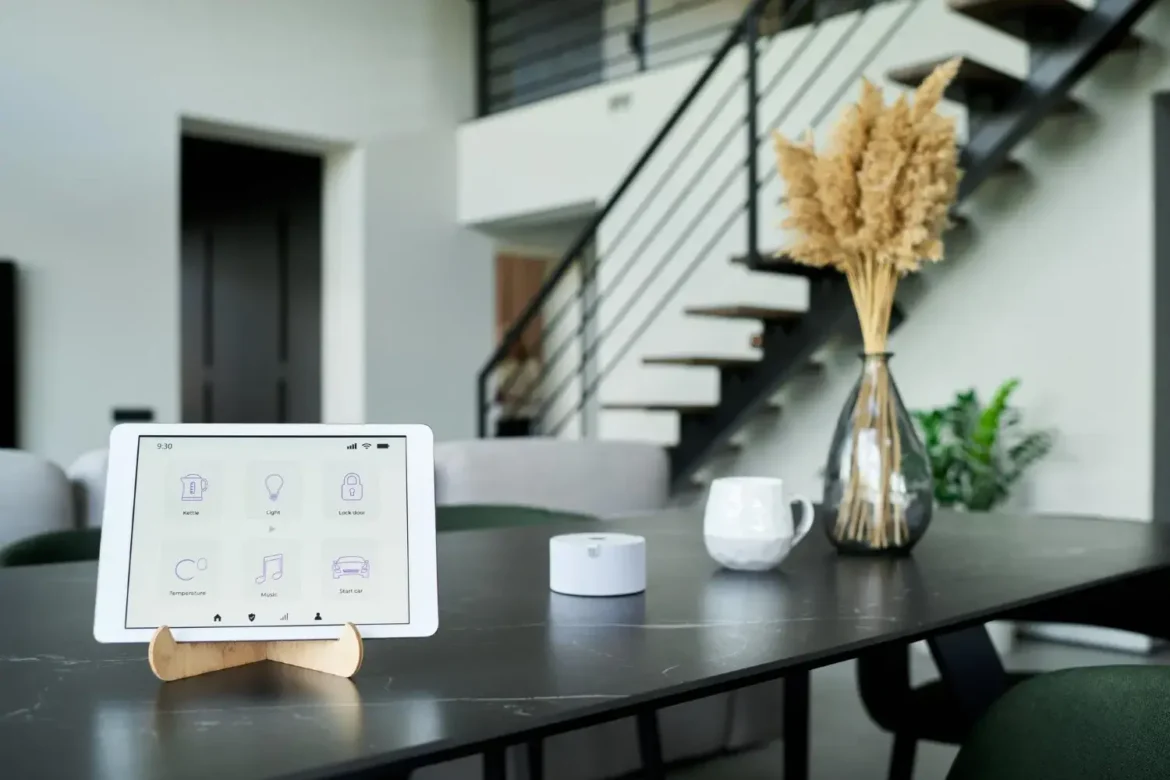
The convenience of smart home devices—voice assistants, connected thermostats, security cameras, and even smart kettles—has seen them welcomed into millions of UK households. Yet each of these devices is a node in a vast data‑collection network, gathering information about the rhythms, behaviours, and preferences of the people who use them. Privacy concerns have grown as consumers begin to grasp the sheer volume of data generated and the opaque ways it can be shared, sold, or exposed. Regulators and privacy advocates have raised alarms, leading to new legislation and industry standards, but the responsibility for protecting one’s personal sphere still rests heavily on the individual. Navigating the smart home landscape with privacy in mind is both a technical and a behavioural challenge, one that requires understanding what data is being collected, where it goes, and how to limit unnecessary exposure.

Voice assistants are among the most intimate devices, as they feature microphones that are always listening for their wake word. While the major manufacturers insist that audio is only streamed to cloud servers after activation, occasional reports of accidental recordings and human review of anonymised clips have eroded trust. Users can take practical steps to minimise risk: regularly deleting stored voice recordings through the device’s privacy dashboard, turning off the microphone when it is not needed, and disabling features that share data with third‑party skills or apps. It is also wise to avoid placing smart speakers in bedrooms or other spaces where private conversations occur frequently. For those who value voice control but are uneasy about cloud processing, a new wave of devices with on‑device speech recognition is beginning to emerge, keeping audio data entirely local.

Connected security cameras and video doorbells present a complex privacy picture. They are designed to protect a home, yet they can also capture footage of neighbours, passers‑by, and visitors who have not consented to being recorded. The UK’s data protection laws, including the General Data Protection Regulation and the Data Protection Act 2018, apply to domestic CCTV if it captures areas beyond the homeowner’s property boundary. Users should position cameras to minimise the field of view on to public pavements or neighbouring properties, and they should display clear signage indicating that recording is in operation. Strong, unique passwords and two‑factor authentication are essential to prevent unauthorised access to video feeds, as security researchers have repeatedly demonstrated the ease with which poorly secured cameras can be breached. Storing footage locally on a secure recorder, rather than in the cloud, reduces the attack surface further.

Pages: 1 2

Advertorial

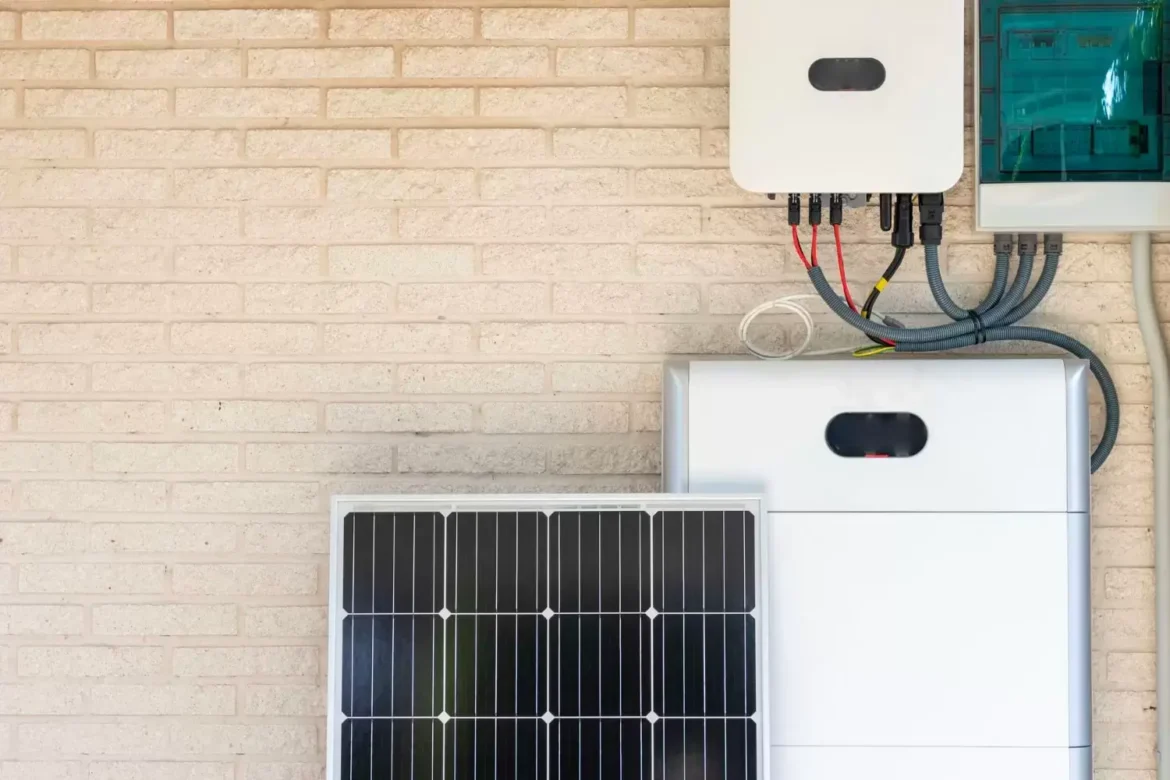
The landscape of residential energy in the United Kingdom is being quietly reshaped by rapid advances in home battery storage technology. Driven by falling lithium‑ion cell costs, improved power electronics, and the growing uptake of rooftop solar panels, these systems allow households to store electricity generated during sunny hours for use at night or during expensive peak periods. The latest generation of batteries is more compact, safer, and smarter than ever before, integrating seamlessly with home energy management platforms that optimise charging and discharging automatically. While the upfront investment remains significant, the combination of energy independence, resilience against grid outages, and the ability to participate in emerging virtual power plant schemes makes battery storage increasingly attractive. The technology is moving from the preserve of early adopters towards a mainstream home improvement.

A notable advancement is the transition to lithium iron phosphate (LFP) chemistry in many residential battery products. LFP cells offer a longer cycle life—often exceeding ten thousand charge‑discharge cycles—and, crucially, they are far less prone to thermal runaway than the nickel‑manganese‑cobalt chemistries used in earlier electric car batteries. This enhanced safety profile makes LFP batteries suitable for installation in garages, utility rooms, and even living spaces, expanding the range of homes that can accommodate them. Manufacturers are also designing systems with modular, stackable architectures, so a family can start with a modest capacity and add further units as needs grow or finances allow. The physical footprint of these batteries has shrunk to the size of a small suitcase, an important consideration for urban homes where space is at a premium.

Smart software is what truly unlocks the potential of a home battery system. Modern inverters and controllers use machine learning to study a household’s consumption patterns, weather forecasts, and energy tariff structures. They can decide, for instance, to charge the battery overnight on a cheap off‑peak tariff, discharge it during the expensive evening peak, and still reserve enough capacity to capture the next day’s surplus solar energy. Some platforms now allow homeowners to set a preferred level of backup reserve for power cuts, offering a layer of security that solar panels alone cannot provide. Aggregators are beginning to pay households for allowing their batteries to be drawn upon in tiny increments to balance the national grid, turning a previously passive asset into a small revenue stream that helps offset the initial cost.

Pages: 1 2

Advertorial

logo

Contact information

Metal Phantom LTD

27 Spring Rd, Ipswich IP4 2RU, UK

+443457224268

info@metal-phantom.com

Disclaimer

The content on this blog is provided for general informational purposes only. While we aim to keep information accurate and updated, we make no representations regarding completeness or reliability. Readers should use their own judgment before making decisions based on any content published here.

All rights reserved © 2026