
Home Nature
Category:

Nature

Advertorial

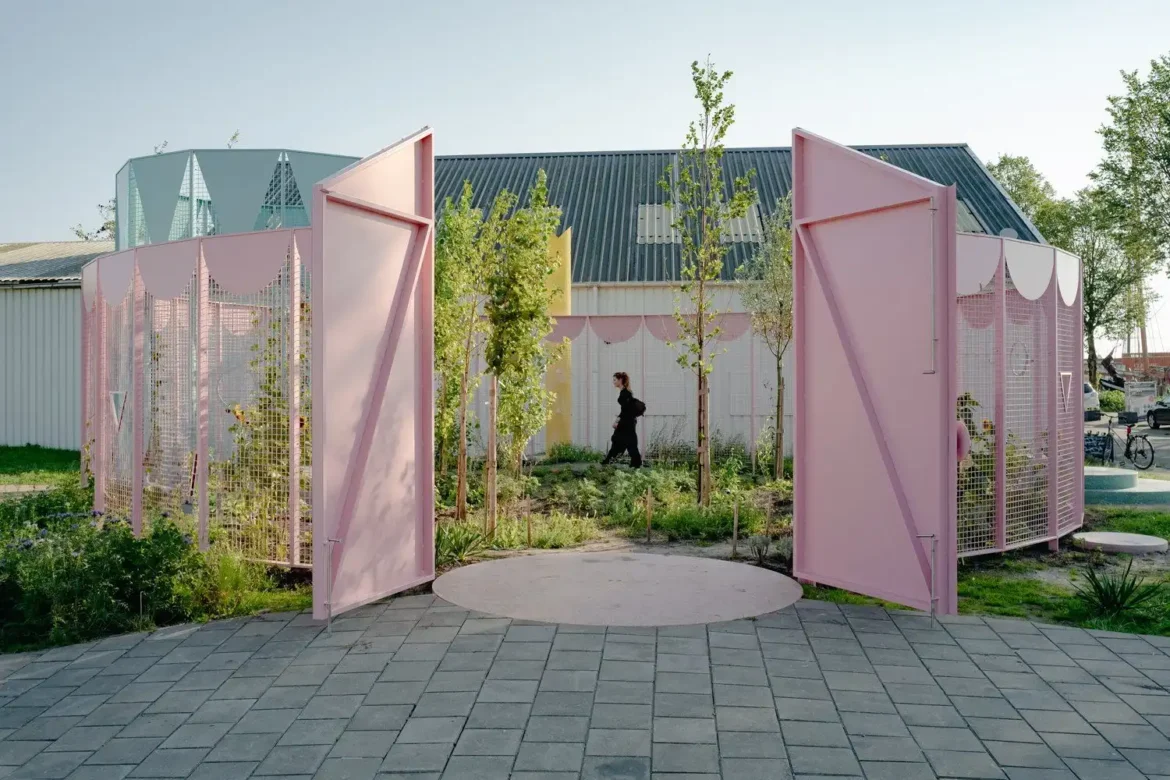
In the heart of towns and cities across the UK, patches of derelict land, allotment sites, and housing estate corners are being transformed into flourishing community gardens. These spaces, nurtured by neighbours who may have started as strangers, grow far more than vegetables. They cultivate friendship, physical health, mental wellbeing, and a tangible connection to the food that sustains life. The community gardening movement has deep roots in wartime allotments and the cooperative traditions of working‑class neighbourhoods, but a new generation is coming to the soil with fresh urgency. Concerns about food security, biodiversity loss, and the isolation that can accompany city life are all fuelling a surge in urban food growing. A local garden where anyone can join a work party or harvest a handful of beans is a quiet but powerful response to the dislocations of the modern age.

The health benefits of community gardening span the physical, psychological, and social. Digging, planting, weeding, and watering provide moderate, whole‑body exercise suited to all ages, improving cardiovascular fitness, flexibility, and strength without the intimidating atmosphere of a gym. The exposure to soil microbes, including the well‑studied Mycobacterium vaccae, has been linked in research to elevated mood and reduced anxiety. Time spent in green space lowers cortisol levels and blood pressure, while the mindful focus required to tend plants offers a respite from the rumination that charactersies depression. Socially, the garden is a leveller: a retired teacher, a young parent, and a teenager on work experience work side by side, sharing knowledge, seeds, and stories. For people experiencing loneliness, particularly among older urban populations, the weekly gardening session is a lifeline of belonging and purpose.

The produce from a well‑managed community garden is often astonishing in its abundance and variety. Raised beds and poly‑tunnels yield kale, chard, tomatoes, courgettes, and herbs through much of the year. Fruit bushes and small orchard trees provide apples, plums, and berries that taste incomparably better than those shipped from another continent. The food is shared among volunteers, supplied to local food banks, or sold at a pop‑up stall to fund tools and seeds. This hyper‑local production reduces food miles to mere footsteps and cuts out packaging entirely. For households on tight budgets, access to fresh, free vegetables is a meaningful supplement to their diet. Children who have only ever seen carrots in plastic bags discover the wonder of pulling one from the earth, muddy and sweet, an experience that can spark a lasting curiosity about food and nature. The garden becomes a classroom without walls, teaching nutrition, ecology, and the value of patience.

Pages: 1 2

Advertorial

The southern coast of England, with its soft chalk cliffs, shifting shingle beaches, and estuarine mudflats, has always been a landscape in motion, shaped by wind, wave, and tide. Yet the pace of change is quickening as sea levels rise and storms intensify, placing homes, infrastructure, and cherished ecosystems under increasing pressure. Coastal erosion management has evolved dramatically in recent decades, moving from hard‑engineered defences that often transferred the problem further along the shore to more adaptive, nature‑based strategies. The communities that live along this ever‑changing edge are engaged in a difficult conversation about what to hold and what to let go, and how to work with natural processes rather than fight a losing battle against the sea.

Traditional hard defences, such as sea walls, revetments, and groynes, still have a role in protecting dense urban areas and critical infrastructure such as railways and power stations. However, their limitations are well documented. By reflecting wave energy, they can scour the beach from in front of the wall, steepening the shore and eventually undermining the structure itself. Groynes trap sand on one side but can starve downdrift beaches of sediment, accelerating erosion miles away. The maintenance costs of these structures are immense and likely to become unsustainable as seas rise. This engineering realism has prompted a shift in official guidance, with bodies such as the Environment Agency now advocating for a “managed adaptive approach” that is more honest about where permanent defence is feasible and where realignment is inevitable. For some low‑lying farmland and marginal coastal settlements, the long‑term plan involves a managed retreat, allowing the sea to reclaim the land in a controlled manner.

Nature‑based solutions are asserting themselves as both cheaper and more ecologically rich alternatives where conditions permit. Beach nourishment, the practice of adding sand and shingle to a foreshore, replicates the natural replenishment that would occur if sediment were not trapped behind dams and harbours. Saltmarsh and mudflat restoration, often achieved by breaching old embankments and allowing controlled tidal flooding, absorbs wave energy far more effectively than an engineered barrier and provides nursery grounds for fish, feeding areas for wading birds, and significant carbon burial. Offshore kelp beds and reinstated oyster reefs are being trialled as underwater breakwaters that reduce wave reach before it hits the shore. These so‑called “blue infrastructure” projects deliver benefits not only for coastal defence but for fisheries, biodiversity, and carbon sequestration, aligning climate adaptation with the restoration of natural capital.

Pages: 1 2

Advertorial

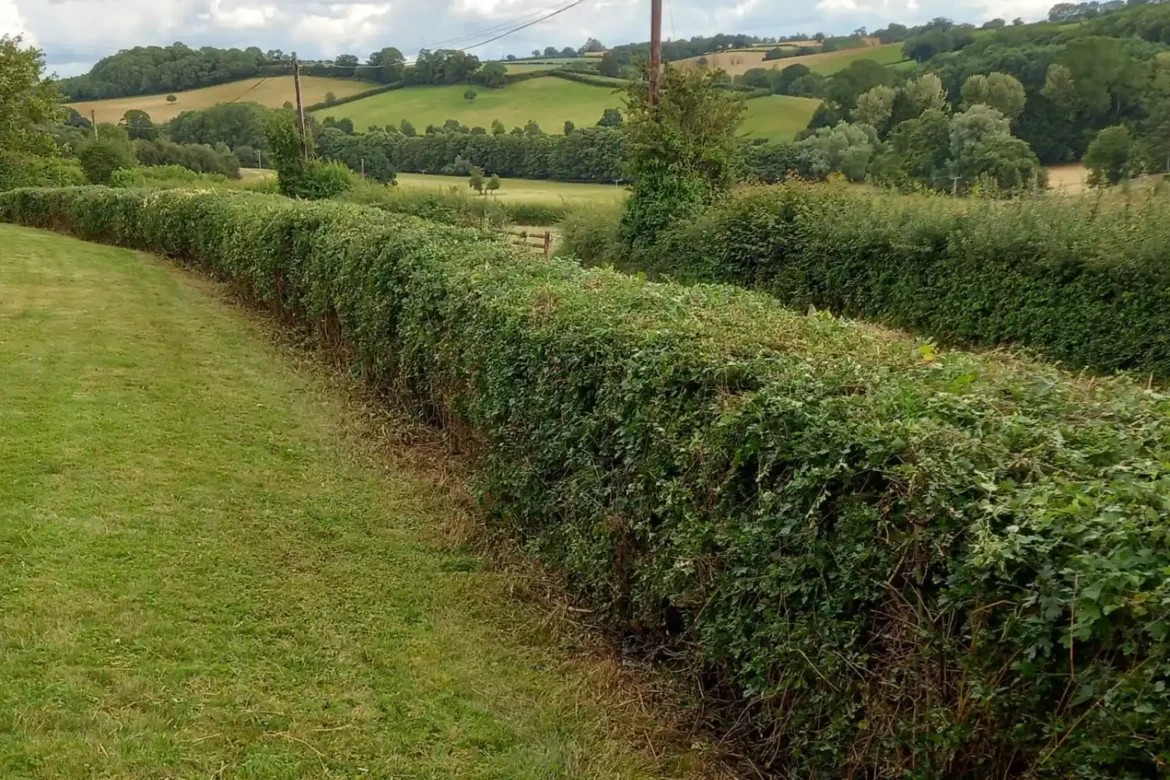
A quiet transformation is underway in the agricultural landscapes of Britain, as miles of hedgerows that were grubbed up during the latter half of the twentieth century are being replanted. These living fences of hawthorn, blackthorn, hazel, and field maple once defined much of the countryside, but post‑war policies that encouraged larger fields and intensive production led to their wholesale removal. Now, driven by a combination of conservation grants, carbon‑sequestration targets, and a growing appreciation of the ecosystem services they provide, hedgerows are making a return. The revival is more than just a cosmetic restoration of a traditional view; it represents a strategic, multi‑faceted investment in soil health, biodiversity, flood management, and farm resilience. The hedge, humble as it appears, is emerging as a hero of regenerative agriculture.

The biodiversity benefits of a well‑established hedgerow are extraordinary in their density and variety. A single hedge can support hundreds of species of plants, insects, birds, and mammals, acting as both a permanent habitat and a wildlife corridor that connects otherwise isolated woodland fragments. Pollinators such as bees and hoverflies depend on the sequential flowering of hedge species from early‑blooming blackthorn to late‑summer ivy. The profusion of berries in autumn—hawthorn, elder, sloe, rosehip—feeds resident and migrating birds through the lean months. Yellowhammers, linnets, and turtle doves, farmland birds that have suffered severe declines, use hedges for nesting and shelter. Bats navigate along them at dusk, feasting on the insects that gather in the still air. The return of hedges is, in a very direct sense, the return of life to the farmed landscape, stitching back a vital ecological fabric.

Farmers are learning that hedgerows are an economic asset as well as an environmental one. Hedges provide natural shelter for livestock, reducing the energy animals expend to keep warm and thereby improving growth rates. They act as windbreaks that protect crops and prevent soil erosion on sloping land, keeping valuable topsoil in place. The deep root systems of mature hedges draw up nutrients from far below the plough layer and deposit them as leaf litter, slowly enriching the soil. In an era of unpredictable weather, hedgerows help to slow the flow of water across fields, reducing flood peaks downstream and allowing more rainfall to infiltrate the ground. These practical functions translate directly into farm profitability and resilience, shifting the perception of hedges from a hindrance to large machinery towards an integrated part of a productive, modern farm system.

Pages: 1 2

Advertorial

With a pair of binoculars, a notebook, and a patient disposition, anyone can step into the absorbing world of birdwatching, an activity that melds quiet observation with the deep psychological benefits of spending time outdoors. The hobby has shed its dusty, anorak‑clad image and is attracting a much wider demographic, including younger urban dwellers seeking respite from screen‑dominated days. Birdwatching encourages a state of relaxed attentiveness that is remarkably similar to mindfulness meditation. The act of scanning a hedgerow or a stretch of mudflat, waiting and listening, draws the mind gently into the present. In a culture that constantly urges people to do more, birdwatching offers permission to simply be and notice. It is an accessible, low‑cost pursuit that can be practised in a local park or garden just as well as in a remote nature reserve.

The mindfulness aspect arises from the focused, non‑judgemental awareness that birdwatching demands. Identifying a bird requires attention to multiple sensory inputs: the shape of its silhouette, the pattern of its flight, the quality of its call, the flash of colour on a wing. The mind, occupied with these details, has little room for rumination about the past or anxiety about the future. This is the very essence of mindful presence. Several studies have linked time spent observing birds in natural settings to reduced levels of cortisol and improved mood, findings that resonate with the personal experience of countless enthusiasts. The quiet thrill of spotting a species for the first time, or witnessing a familiar bird perform an interesting behaviour, delivers a gentle dopamine reward that reinforces the habit. Birdwatching is, in a sense, a moving meditation, one in which the object of concentration is alive, surprising, and beautiful.

Getting started requires very little equipment. A decent pair of binoculars, perhaps an entry‑level 8×42 model that balances magnification and field of view, is the main investment. A field guide, whether a traditional book or a well‑reviewed phone app that includes calls and songs, helps with identification. Comfortable, weather‑appropriate clothing and sturdy footwear are more important than technical gadgetry. Many beginners find it helpful to join a local RSPB group, a Wildlife Trust walk, or an informal bird‑watching outing advertised on social media. More experienced birders are often delighted to share their knowledge and loan equipment, and learning in company accelerates the development of identification skills. The community is notably welcoming and spans a wide range of ages and backgrounds, united by a common fascination with the feathered wildness that persists among human settlements.

Pages: 1 2

Advertorial

The image of rewilding often conjures vast Highland estates or sprawling nature reserves, yet a quieter, no less significant, movement is taking root in the suburbs of Britain. Local councils, community groups, and individual householders are beginning to treat parks, verges, school grounds, and even small front gardens as pockets of ecological potential rather than ornamental spaces to be tightly controlled. This ground‑level rewilding involves relaxing the compulsion to mow, prune, and tidy, allowing native wildflowers, grasses, and scrub to return. The results are striking: insects, birds, and small mammals reappear in places that were once ecological deserts. Suburban rewilding reconnects people with the rhythms of nature on their very doorsteps, challenging the cultural preference for manicured lawns and offering a hopeful, participatory answer to biodiversity decline.

The ecological rationale for rewilding even small patches of land is robust. Traditional suburban maintenance, with its close‑mown grass and regimented bedding plants, offers little food or shelter for wildlife. A single unmown strip can host dozens of wildflower species—oxeye daisy, knapweed, clover, and bird’s‑foot trefoil—that provide nectar for bees and butterflies throughout the seasons. Scrubby hedgerows and piles of logs create nesting sites and refuges for hedgehogs, slow worms, and songbirds. The connectivity between these green corridors is critical; a series of suburban patches linked by railway embankments and garden fences can form a functional network for species movement. Biodiversity monitoring by local volunteer groups is documenting the swift return of life when mowing regimes are relaxed, providing the data needed to reassure sceptics that the apparent messiness is, in fact, a sign of health.

The social dimension of suburban rewilding is as important as the ecological one. Projects often begin with a small group of neighbours who invite others to join, perhaps through a letter‑box flyer or a post on a local social media group. Working parties to plant native hedging, dig a pond, or construct bug hotels build friendships and a shared sense of stewardship. Children discover the wonder of a caterpillar on a leaf or a frog in a damp corner, experiences that many have been denied in increasingly sanitised outdoor environments. Local schools incorporate the wilded area into science and art lessons. The transformation of a previously bland patch of municipal grass into a humming, colourful meadow becomes a source of neighbourhood pride, as well as a gentle rebuke to the notion that land must be productive in a narrowly human sense to have value.

Pages: 1 2

Advertorial

logo

Contact information

Metal Phantom LTD

27 Spring Rd, Ipswich IP4 2RU, UK

+443457224268

info@metal-phantom.com

Disclaimer

The content on this blog is provided for general informational purposes only. While we aim to keep information accurate and updated, we make no representations regarding completeness or reliability. Readers should use their own judgment before making decisions based on any content published here.

All rights reserved © 2026