
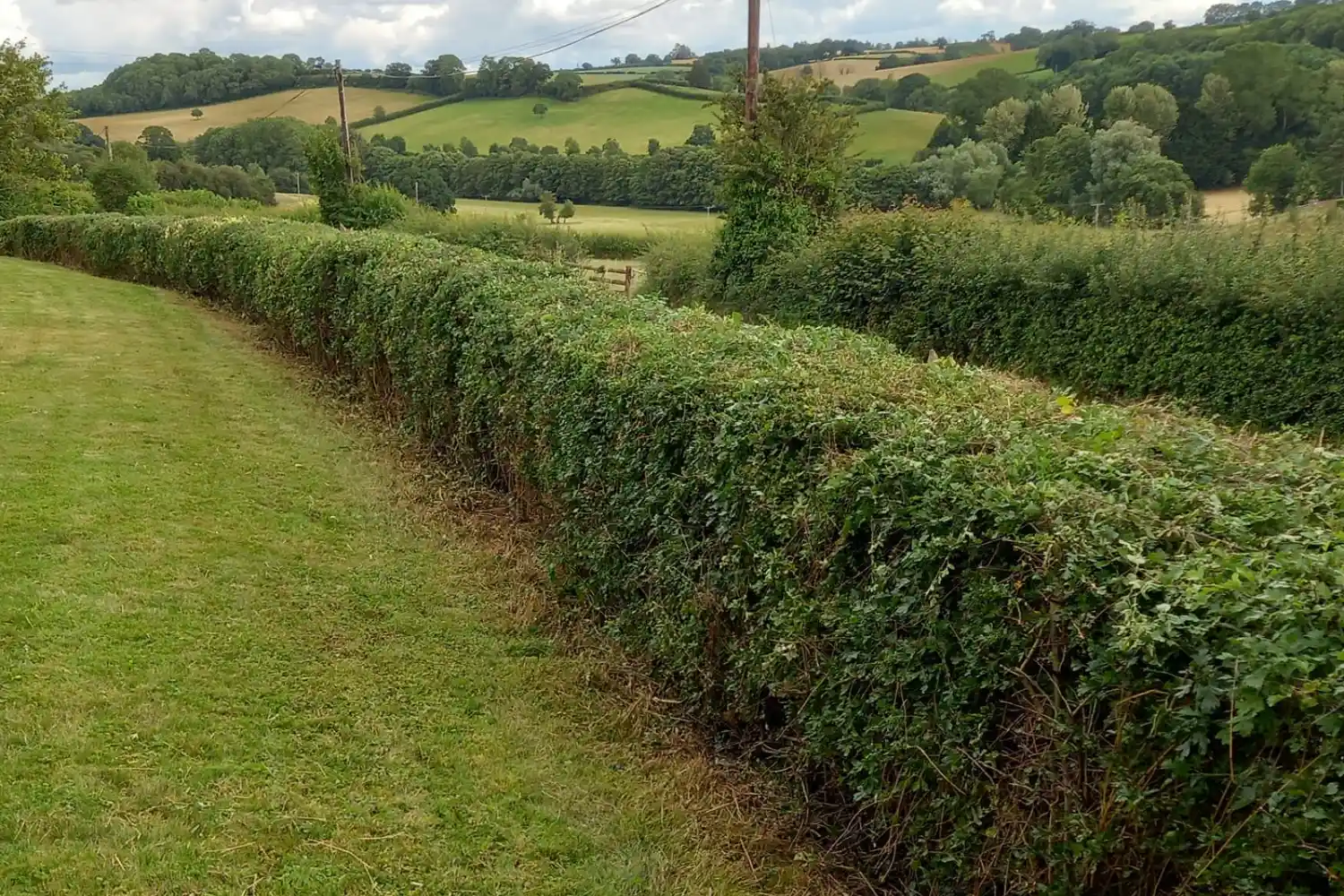
A quiet transformation is underway in the agricultural landscapes of Britain, as miles of hedgerows that were grubbed up during the latter half of the twentieth century are being replanted. These living fences of hawthorn, blackthorn, hazel, and field maple once defined much of the countryside, but post‑war policies that encouraged larger fields and intensive production led to their wholesale removal. Now, driven by a combination of conservation grants, carbon‑sequestration targets, and a growing appreciation of the ecosystem services they provide, hedgerows are making a return. The revival is more than just a cosmetic restoration of a traditional view; it represents a strategic, multi‑faceted investment in soil health, biodiversity, flood management, and farm resilience. The hedge, humble as it appears, is emerging as a hero of regenerative agriculture.
Advertorial
The biodiversity benefits of a well‑established hedgerow are extraordinary in their density and variety. A single hedge can support hundreds of species of plants, insects, birds, and mammals, acting as both a permanent habitat and a wildlife corridor that connects otherwise isolated woodland fragments. Pollinators such as bees and hoverflies depend on the sequential flowering of hedge species from early‑blooming blackthorn to late‑summer ivy. The profusion of berries in autumn—hawthorn, elder, sloe, rosehip—feeds resident and migrating birds through the lean months. Yellowhammers, linnets, and turtle doves, farmland birds that have suffered severe declines, use hedges for nesting and shelter. Bats navigate along them at dusk, feasting on the insects that gather in the still air. The return of hedges is, in a very direct sense, the return of life to the farmed landscape, stitching back a vital ecological fabric.
Farmers are learning that hedgerows are an economic asset as well as an environmental one. Hedges provide natural shelter for livestock, reducing the energy animals expend to keep warm and thereby improving growth rates. They act as windbreaks that protect crops and prevent soil erosion on sloping land, keeping valuable topsoil in place. The deep root systems of mature hedges draw up nutrients from far below the plough layer and deposit them as leaf litter, slowly enriching the soil. In an era of unpredictable weather, hedgerows help to slow the flow of water across fields, reducing flood peaks downstream and allowing more rainfall to infiltrate the ground. These practical functions translate directly into farm profitability and resilience, shifting the perception of hedges from a hindrance to large machinery towards an integrated part of a productive, modern farm system.