
Home Author
Author

Cody Reid

Advertorial

In the heart of towns and cities across the UK, patches of derelict land, allotment sites, and housing estate corners are being transformed into flourishing community gardens. These spaces, nurtured by neighbours who may have started as strangers, grow far more than vegetables. They cultivate friendship, physical health, mental wellbeing, and a tangible connection to the food that sustains life. The community gardening movement has deep roots in wartime allotments and the cooperative traditions of working‑class neighbourhoods, but a new generation is coming to the soil with fresh urgency. Concerns about food security, biodiversity loss, and the isolation that can accompany city life are all fuelling a surge in urban food growing. A local garden where anyone can join a work party or harvest a handful of beans is a quiet but powerful response to the dislocations of the modern age.

The health benefits of community gardening span the physical, psychological, and social. Digging, planting, weeding, and watering provide moderate, whole‑body exercise suited to all ages, improving cardiovascular fitness, flexibility, and strength without the intimidating atmosphere of a gym. The exposure to soil microbes, including the well‑studied Mycobacterium vaccae, has been linked in research to elevated mood and reduced anxiety. Time spent in green space lowers cortisol levels and blood pressure, while the mindful focus required to tend plants offers a respite from the rumination that charactersies depression. Socially, the garden is a leveller: a retired teacher, a young parent, and a teenager on work experience work side by side, sharing knowledge, seeds, and stories. For people experiencing loneliness, particularly among older urban populations, the weekly gardening session is a lifeline of belonging and purpose.

The produce from a well‑managed community garden is often astonishing in its abundance and variety. Raised beds and poly‑tunnels yield kale, chard, tomatoes, courgettes, and herbs through much of the year. Fruit bushes and small orchard trees provide apples, plums, and berries that taste incomparably better than those shipped from another continent. The food is shared among volunteers, supplied to local food banks, or sold at a pop‑up stall to fund tools and seeds. This hyper‑local production reduces food miles to mere footsteps and cuts out packaging entirely. For households on tight budgets, access to fresh, free vegetables is a meaningful supplement to their diet. Children who have only ever seen carrots in plastic bags discover the wonder of pulling one from the earth, muddy and sweet, an experience that can spark a lasting curiosity about food and nature. The garden becomes a classroom without walls, teaching nutrition, ecology, and the value of patience.

Pages: 1 2

Advertorial

The southern coast of England, with its soft chalk cliffs, shifting shingle beaches, and estuarine mudflats, has always been a landscape in motion, shaped by wind, wave, and tide. Yet the pace of change is quickening as sea levels rise and storms intensify, placing homes, infrastructure, and cherished ecosystems under increasing pressure. Coastal erosion management has evolved dramatically in recent decades, moving from hard‑engineered defences that often transferred the problem further along the shore to more adaptive, nature‑based strategies. The communities that live along this ever‑changing edge are engaged in a difficult conversation about what to hold and what to let go, and how to work with natural processes rather than fight a losing battle against the sea.

Traditional hard defences, such as sea walls, revetments, and groynes, still have a role in protecting dense urban areas and critical infrastructure such as railways and power stations. However, their limitations are well documented. By reflecting wave energy, they can scour the beach from in front of the wall, steepening the shore and eventually undermining the structure itself. Groynes trap sand on one side but can starve downdrift beaches of sediment, accelerating erosion miles away. The maintenance costs of these structures are immense and likely to become unsustainable as seas rise. This engineering realism has prompted a shift in official guidance, with bodies such as the Environment Agency now advocating for a “managed adaptive approach” that is more honest about where permanent defence is feasible and where realignment is inevitable. For some low‑lying farmland and marginal coastal settlements, the long‑term plan involves a managed retreat, allowing the sea to reclaim the land in a controlled manner.

Nature‑based solutions are asserting themselves as both cheaper and more ecologically rich alternatives where conditions permit. Beach nourishment, the practice of adding sand and shingle to a foreshore, replicates the natural replenishment that would occur if sediment were not trapped behind dams and harbours. Saltmarsh and mudflat restoration, often achieved by breaching old embankments and allowing controlled tidal flooding, absorbs wave energy far more effectively than an engineered barrier and provides nursery grounds for fish, feeding areas for wading birds, and significant carbon burial. Offshore kelp beds and reinstated oyster reefs are being trialled as underwater breakwaters that reduce wave reach before it hits the shore. These so‑called “blue infrastructure” projects deliver benefits not only for coastal defence but for fisheries, biodiversity, and carbon sequestration, aligning climate adaptation with the restoration of natural capital.

Pages: 1 2

Advertorial

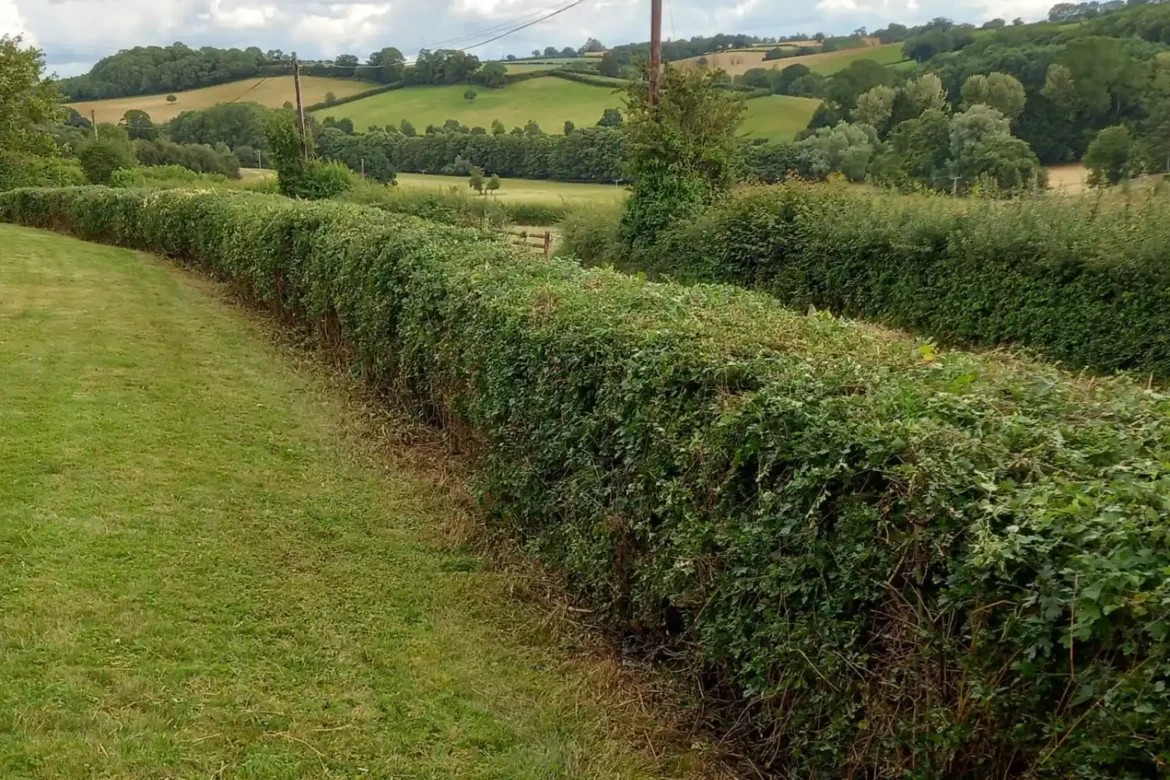
A quiet transformation is underway in the agricultural landscapes of Britain, as miles of hedgerows that were grubbed up during the latter half of the twentieth century are being replanted. These living fences of hawthorn, blackthorn, hazel, and field maple once defined much of the countryside, but post‑war policies that encouraged larger fields and intensive production led to their wholesale removal. Now, driven by a combination of conservation grants, carbon‑sequestration targets, and a growing appreciation of the ecosystem services they provide, hedgerows are making a return. The revival is more than just a cosmetic restoration of a traditional view; it represents a strategic, multi‑faceted investment in soil health, biodiversity, flood management, and farm resilience. The hedge, humble as it appears, is emerging as a hero of regenerative agriculture.

The biodiversity benefits of a well‑established hedgerow are extraordinary in their density and variety. A single hedge can support hundreds of species of plants, insects, birds, and mammals, acting as both a permanent habitat and a wildlife corridor that connects otherwise isolated woodland fragments. Pollinators such as bees and hoverflies depend on the sequential flowering of hedge species from early‑blooming blackthorn to late‑summer ivy. The profusion of berries in autumn—hawthorn, elder, sloe, rosehip—feeds resident and migrating birds through the lean months. Yellowhammers, linnets, and turtle doves, farmland birds that have suffered severe declines, use hedges for nesting and shelter. Bats navigate along them at dusk, feasting on the insects that gather in the still air. The return of hedges is, in a very direct sense, the return of life to the farmed landscape, stitching back a vital ecological fabric.

Farmers are learning that hedgerows are an economic asset as well as an environmental one. Hedges provide natural shelter for livestock, reducing the energy animals expend to keep warm and thereby improving growth rates. They act as windbreaks that protect crops and prevent soil erosion on sloping land, keeping valuable topsoil in place. The deep root systems of mature hedges draw up nutrients from far below the plough layer and deposit them as leaf litter, slowly enriching the soil. In an era of unpredictable weather, hedgerows help to slow the flow of water across fields, reducing flood peaks downstream and allowing more rainfall to infiltrate the ground. These practical functions translate directly into farm profitability and resilience, shifting the perception of hedges from a hindrance to large machinery towards an integrated part of a productive, modern farm system.

Pages: 1 2

Advertorial

With a pair of binoculars, a notebook, and a patient disposition, anyone can step into the absorbing world of birdwatching, an activity that melds quiet observation with the deep psychological benefits of spending time outdoors. The hobby has shed its dusty, anorak‑clad image and is attracting a much wider demographic, including younger urban dwellers seeking respite from screen‑dominated days. Birdwatching encourages a state of relaxed attentiveness that is remarkably similar to mindfulness meditation. The act of scanning a hedgerow or a stretch of mudflat, waiting and listening, draws the mind gently into the present. In a culture that constantly urges people to do more, birdwatching offers permission to simply be and notice. It is an accessible, low‑cost pursuit that can be practised in a local park or garden just as well as in a remote nature reserve.

The mindfulness aspect arises from the focused, non‑judgemental awareness that birdwatching demands. Identifying a bird requires attention to multiple sensory inputs: the shape of its silhouette, the pattern of its flight, the quality of its call, the flash of colour on a wing. The mind, occupied with these details, has little room for rumination about the past or anxiety about the future. This is the very essence of mindful presence. Several studies have linked time spent observing birds in natural settings to reduced levels of cortisol and improved mood, findings that resonate with the personal experience of countless enthusiasts. The quiet thrill of spotting a species for the first time, or witnessing a familiar bird perform an interesting behaviour, delivers a gentle dopamine reward that reinforces the habit. Birdwatching is, in a sense, a moving meditation, one in which the object of concentration is alive, surprising, and beautiful.

Getting started requires very little equipment. A decent pair of binoculars, perhaps an entry‑level 8×42 model that balances magnification and field of view, is the main investment. A field guide, whether a traditional book or a well‑reviewed phone app that includes calls and songs, helps with identification. Comfortable, weather‑appropriate clothing and sturdy footwear are more important than technical gadgetry. Many beginners find it helpful to join a local RSPB group, a Wildlife Trust walk, or an informal bird‑watching outing advertised on social media. More experienced birders are often delighted to share their knowledge and loan equipment, and learning in company accelerates the development of identification skills. The community is notably welcoming and spans a wide range of ages and backgrounds, united by a common fascination with the feathered wildness that persists among human settlements.

Pages: 1 2

Advertorial

The image of rewilding often conjures vast Highland estates or sprawling nature reserves, yet a quieter, no less significant, movement is taking root in the suburbs of Britain. Local councils, community groups, and individual householders are beginning to treat parks, verges, school grounds, and even small front gardens as pockets of ecological potential rather than ornamental spaces to be tightly controlled. This ground‑level rewilding involves relaxing the compulsion to mow, prune, and tidy, allowing native wildflowers, grasses, and scrub to return. The results are striking: insects, birds, and small mammals reappear in places that were once ecological deserts. Suburban rewilding reconnects people with the rhythms of nature on their very doorsteps, challenging the cultural preference for manicured lawns and offering a hopeful, participatory answer to biodiversity decline.

The ecological rationale for rewilding even small patches of land is robust. Traditional suburban maintenance, with its close‑mown grass and regimented bedding plants, offers little food or shelter for wildlife. A single unmown strip can host dozens of wildflower species—oxeye daisy, knapweed, clover, and bird’s‑foot trefoil—that provide nectar for bees and butterflies throughout the seasons. Scrubby hedgerows and piles of logs create nesting sites and refuges for hedgehogs, slow worms, and songbirds. The connectivity between these green corridors is critical; a series of suburban patches linked by railway embankments and garden fences can form a functional network for species movement. Biodiversity monitoring by local volunteer groups is documenting the swift return of life when mowing regimes are relaxed, providing the data needed to reassure sceptics that the apparent messiness is, in fact, a sign of health.

The social dimension of suburban rewilding is as important as the ecological one. Projects often begin with a small group of neighbours who invite others to join, perhaps through a letter‑box flyer or a post on a local social media group. Working parties to plant native hedging, dig a pond, or construct bug hotels build friendships and a shared sense of stewardship. Children discover the wonder of a caterpillar on a leaf or a frog in a damp corner, experiences that many have been denied in increasingly sanitised outdoor environments. Local schools incorporate the wilded area into science and art lessons. The transformation of a previously bland patch of municipal grass into a humming, colourful meadow becomes a source of neighbourhood pride, as well as a gentle rebuke to the notion that land must be productive in a narrowly human sense to have value.

Pages: 1 2

Advertorial

The weight of a suitcase can quietly determine the quality of a journey, even before the wheels touch the tarmac of a distant runway. Packing light for long‑haul travel is a skill that, once acquired, brings freedom from baggage fees, agility through busy terminals, and the simple pleasure of knowing that everything carried is truly needed. The discipline begins with a mindset shift: the goal is not to prepare for every hypothetical scenario but to assemble a capsule wardrobe and a carefully curated kit that covers genuine essentials. Doing so requires honest assessment of past trips, a willingness to do a little laundry on the road, and an investment in a few lightweight, versatile items. The result is a more comfortable journey and a deeper engagement with the destination, unencumbered by the burden of excess belongings.

Choosing the right luggage is the foundation. A soft‑sided carry‑on backpack or a small wheeled case within the 40‑litre range and compliant with the stricter European and international cabin‑baggage limits forces discipline from the start. The physical constraint works in the traveller’s favour: if it does not fit, it does not go. Look for a bag with a clamshell opening that allows easy access without rummaging, and external pockets for items needed mid‑flight such as a passport, headphones, and a water bottle. A small, packable daypack stored flat inside serves for excursions at the destination. Investing in a quality bag that distributes weight comfortably pays dividends over years of travel, and the upfront cost is offset by the many flights on which a checked‑bag fee is avoided. The bag becomes a trusted companion, imposing a healthy minimalism upon every trip.

Clothing selection for a long‑haul trip revolves around a coordinated colour palette, technical fabrics, and the principle of layering. Tops made from merino wool or bamboo‑based materials can be worn multiple times between washes without retaining odour, reducing the total number of items needed. One pair of smart‑casual trousers can serve for a museum visit, a restaurant dinner, and the flight itself. A lightweight down or synthetic insulated jacket packs into its own pocket and provides warmth without bulk. Shoes are the heaviest and most space‑consuming items; wearing the bulkiest pair on the plane and packing only one additional, collapsible pair such as lightweight trainers or ballet flats is a sound rule. A scarf or wrap doubles as a blanket for the plane and an extra layer for cool evenings. Every item must earn its place by serving at least two purposes or being essential for comfort and health.

Pages: 1 2

Advertorial

Taking a city break outside the peak tourist months is a strategy that seasoned travellers have long used to avoid crowds, enjoy milder weather, and keep costs under control. The period between late autumn and early spring, excluding the Christmas and New Year spike, offers a window when flights, trains, hotels, and attractions are often significantly cheaper. Cities do not shut down when the main season ends; if anything, they reveal a more authentic face, as residents reclaim their streets and cafés from the summer hordes. Off‑season travel requires a touch more planning and a willingness to pack layers, but the rewards are considerable: shorter queues, unhurried museum visits, and the chance to see a place going about its ordinary life. For budget‑conscious travellers, this is one of the most effective ways to stretch limited funds without sacrificing depth of experience.

The savings on accommodation alone can transform a trip from aspirational to achievable. Hotels and holiday rental platforms often drop their rates sharply after the summer holidays, with discounts of thirty to fifty per cent not uncommon in cities such as Prague, Lisbon, and Edinburgh. This financial breathing room allows travellers to choose a more central location or a hotel with extra amenities, such as a spa or a view, that would be out of reach in high season. Midweek stays are generally even cheaper than weekends, so adjusting dates by a day or two can yield further savings. Booking directly with a property sometimes secures a better rate or a free upgrade, as owners are keen to fill rooms during quiet periods. Travellers who are flexible with their dates and destinations can use fare‑comparison tools to identify the very best bargains for the month they wish to travel.

Transportation costs often fall in line with accommodation. Airlines and rail operators price their tickets according to demand, and outside school holidays the demand dips considerably. A return flight from a regional UK airport to a continental city that would cost £150 in August might be found for £40 in late January. Advance‑purchase rail tickets on routes like Eurostar offer similarly steep discounts. Within the destination, public transport day passes remain the same price year‑round, but the experience of walking between neighbourhoods is far more pleasant in cooler weather than in the sticky heat of July. Some cities offer off‑season visitor passes that bundle museums and transport at a reduced rate, a scheme worth exploring before departure. The cumulative saving on getting there and getting around frees up budget for meals, tickets to a performance, or a special experience unique to that city.

Pages: 1 2

Advertorial

The search for a place to sleep while travelling has become, for an increasing number of people, a deliberate act of alignment with environmental values. The accommodation sector, from vast hotel chains to tiny bed‑and‑breakfasts, is undergoing a transformation as it responds to guests who demand lower carbon footprints, reduced waste, and genuine contribution to local communities. Eco‑friendly accommodation is no longer synonymous with spartan eco‑lodges that require a spirit of self‑denial; it now encompasses a wide spectrum of comfortable, stylish, and innovative places to stay that tread lightly on the earth. Understanding the credentials that actually matter, rather than relying on vague marketing claims, empowers travellers to make choices that match their intentions, and in doing so to nudge the entire hospitality industry towards more sustainable practices.

Genuine eco‑friendly accommodation typically begins with the building itself. Properties that have achieved certifications such as Passivhaus, BREEAM, or the Green Tourism scheme have demonstrated verifiable commitment to energy efficiency, water conservation, and sustainable materials. Reused and retrofitted buildings, such as converted barns, former industrial spaces, and repurposed churches, avoid the embodied carbon that comes with new construction. Modern eco‑lodges often incorporate features like green roofs, which support biodiversity and regulate indoor temperatures, and solar thermal panels for hot water. Inside, guests might find low‑flow showerheads, energy‑efficient lighting with sensors, and furnishings made from reclaimed wood or recycled materials. These details, while seemingly small in isolation, collectively reduce the environmental burden of a stay by a significant margin. They also signal to the visitor that the property takes sustainability seriously, rather than deploying it as a marketing slogan.

Food and waste policies offer another clear lens through which to evaluate accommodation. Establishments that source ingredients from local farms, maintain their own kitchen gardens, and compost food scraps demonstrate a holistic approach. Breakfast buffets featuring seasonal, regional produce with minimal packaging not only taste better but also support local economies and cut transport emissions. Single‑use plastics are being eliminated from bathrooms; refillable dispensers for shampoo and soap are now a hallmark of eco‑conscious hotels. Guests are often encouraged to separate recycling and to reuse towels and linen, with clear explanations of the environmental rationale. Some properties have taken the further step of donating surplus food to community organisations or installing on‑site biodigesters. A stay at such a place feels part of a system designed for circularity, in which nothing is thoughtlessly discarded.

Pages: 1 2

Advertorial

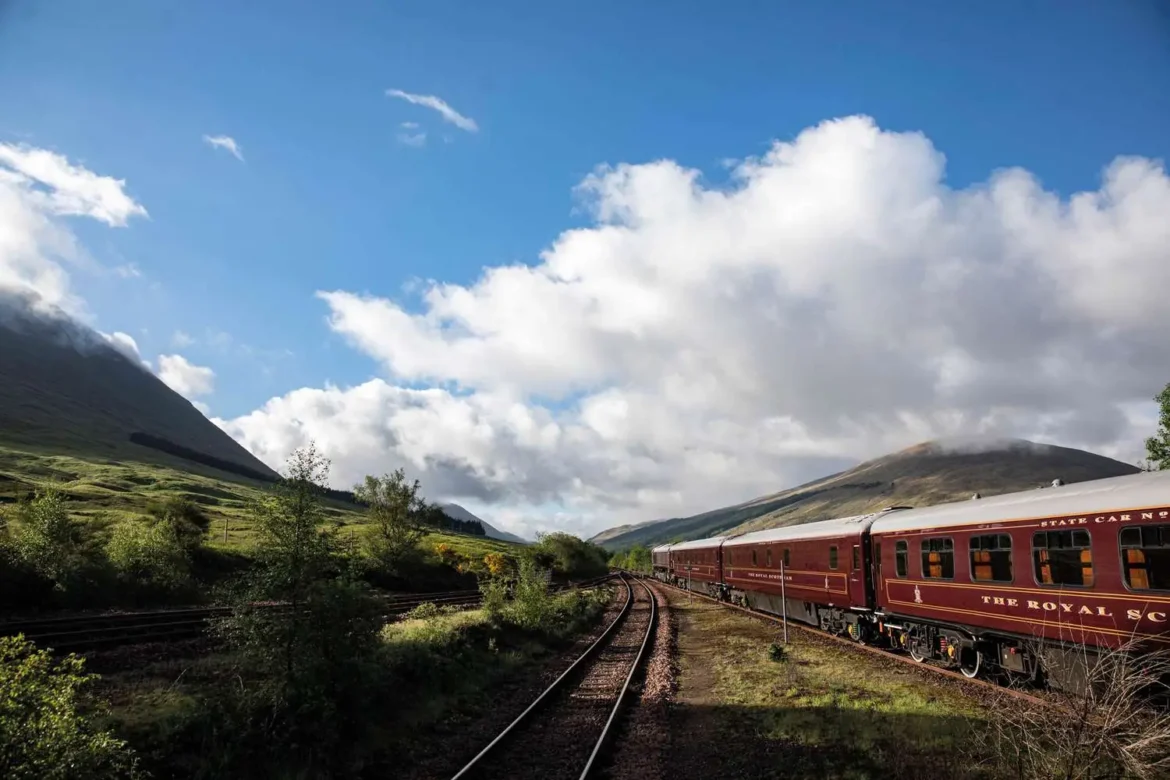
Britain’s railways, long the subject of complaint about fares and punctuality, are enjoying a quiet renaissance as a mode of leisure travel. A growing number of people are rediscovering the pleasure of a long‑distance rail journey, whether for a weekend escape to the coast, a cross‑country adventure to the Highlands, or a scenic day trip through national parks. This revival is fuelled by a mixture of environmental awareness, nostalgia, and genuine practical appeal. Train travel allows passengers to watch the countryside roll by, read a book, or enjoy a meal without the stress of driving or the hassle of airports. The network’s reach into the heart of cities and the depths of rural areas makes it an unrivalled way to explore the full variety of British landscapes. Slowly but perceptibly, the train is becoming a destination in itself.

The scenic rail routes of the UK are among its great, under‑appreciated assets. The Settle‑Carlisle line, crossing the remote Pennines and the soaring Ribblehead Viaduct, offers views of wild moorland and steep valleys that are inaccessible by road. The Cambrian Coast line in Wales hugs the edge of Cardigan Bay, with the sea lapping at the track’s edge in places. The Far North Line from Inverness to Wick passes through the vast, open landscapes of Sutherland and Caithness, where the sense of space and sky is humbling. On the south coast, the stretch from Exeter to Newton Abbot along the seawall at Dawlish continues to thrill passengers as waves crash against the window. These journeys are not merely transport; they are experiences that connect people to the geography and history of the country in a visceral way. Heritage railways, run largely by volunteers, complement the national network, preserving steam and early diesel services on meticulously maintained lines.

Practical improvements are making rail travel more appealing. Advances in online booking have simplified the purchase of advance tickets, which can be remarkably cheap if bought a few weeks ahead of travel. Digital apps provide real‑time information on platforms and delays, helping passengers navigate connections with less anxiety. Some operators have introduced rolling stock with larger windows, more comfortable seating, and reliable Wi‑Fi, though consistency across the network remains uneven. The introduction of flexible season tickets and the growth of railcard schemes have widened access for part‑time commuters and leisure travellers alike. While legacy issues of infrastructure funding and industrial relations persist, the day‑to‑day experience for many leisure passengers is improving, especially on the longer‑distance intercity routes. Station revivals—think of the restored St Pancras or the bright, modern concourses at King’s Cross and Birmingham New Street—have also transformed the sense of arrival.

Pages: 1 2

Advertorial

The concept of slow travel, which prioritises depth of experience over the number of destinations visited, has gained steady ground across Europe. Travellers are increasingly choosing to spend a fortnight exploring a single region or city rather than sprinting through five countries in ten days. This approach is a conscious reaction against the burnout often induced by fast‑paced itineraries, as well as a response to growing awareness of tourism’s environmental footprint. Slow travel encourages a deeper engagement with local culture, food, language, and landscape, turning a trip into something more akin to a temporary way of life than a collection of sights ticked off a list. Europe, with its dense train networks, walkable towns, and diverse regional identities, is particularly well‑suited to this style of journey. The rise of slow travel reflects a broader cultural shift towards valuing time, connection, and authenticity over mere accumulation.

Rail journeys lie at the heart of the slow travel revival in Europe. The continent’s rail infrastructure allows travellers to move comfortably between cities and into the countryside while watching the scenery unfold, a pleasure entirely absent from a short‑haul flight. Routes such as the Bernina Express through the Swiss Alps, the West Highland Line in Scotland, or the regional trains winding through the vineyards of the Douro Valley become experiences in their own right, not just means of transport. An increasing number of travellers are purchasing Interrail passes and designing multi‑stop itineraries that prioritise the journey over the destination. Night trains, which had declined for decades, are being reintroduced on routes between capitals such as Vienna, Paris, and Berlin, offering a practical and romantic way to cover long distances while minimising carbon emissions and maximising time on the ground.

Staying in one place for an extended period opens up a different quality of encounter with local life. A week or two in a self‑catering cottage in Provence, a village in the Peloponnese, or a canal‑side town in the Netherlands allows for the rhythm of daily routines to emerge. Mornings might be spent at the local bakery, afternoons walking a section of a nearby long‑distance trail, and evenings cooking with ingredients purchased from the market. Conversations with neighbours, shopkeepers, and farmers gradually deepen as faces become familiar. This immersion is a world away from the transactional interactions that characterise whirlwind tourism. Slow travellers often report feeling more rested, more curious, and more emotionally connected to the places they visit. The memories forged are not of queues and rushed photo stops but of quiet, sensory‑rich moments.

Pages: 1 2

Advertorial

Newer Posts
logo

Contact information

Metal Phantom LTD

27 Spring Rd, Ipswich IP4 2RU, UK

+443457224268

info@metal-phantom.com

Disclaimer

The content on this blog is provided for general informational purposes only. While we aim to keep information accurate and updated, we make no representations regarding completeness or reliability. Readers should use their own judgment before making decisions based on any content published here.

All rights reserved © 2026