
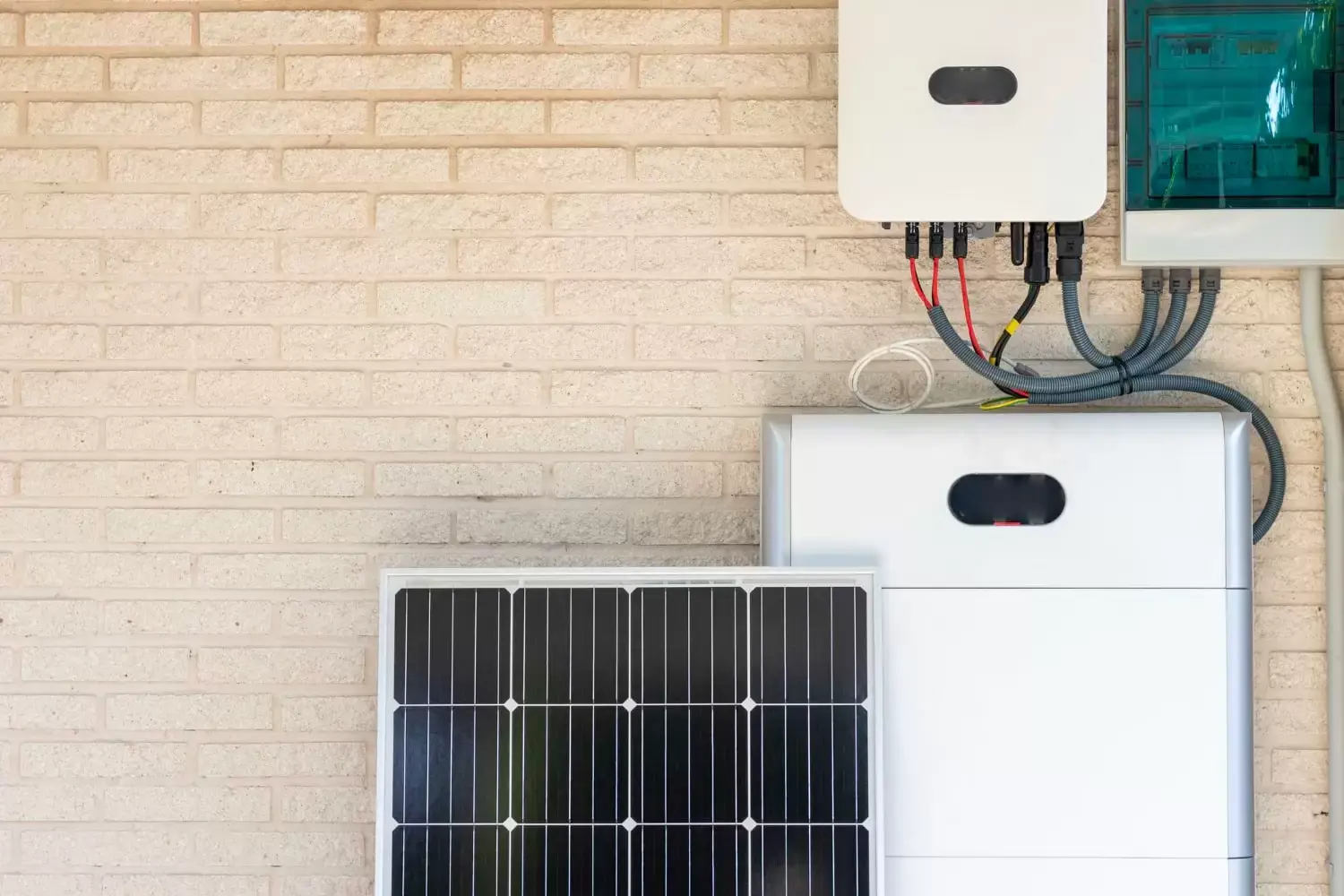
The landscape of residential energy in the United Kingdom is being quietly reshaped by rapid advances in home battery storage technology. Driven by falling lithium‑ion cell costs, improved power electronics, and the growing uptake of rooftop solar panels, these systems allow households to store electricity generated during sunny hours for use at night or during expensive peak periods. The latest generation of batteries is more compact, safer, and smarter than ever before, integrating seamlessly with home energy management platforms that optimise charging and discharging automatically. While the upfront investment remains significant, the combination of energy independence, resilience against grid outages, and the ability to participate in emerging virtual power plant schemes makes battery storage increasingly attractive. The technology is moving from the preserve of early adopters towards a mainstream home improvement.
Advertorial
A notable advancement is the transition to lithium iron phosphate (LFP) chemistry in many residential battery products. LFP cells offer a longer cycle life—often exceeding ten thousand charge‑discharge cycles—and, crucially, they are far less prone to thermal runaway than the nickel‑manganese‑cobalt chemistries used in earlier electric car batteries. This enhanced safety profile makes LFP batteries suitable for installation in garages, utility rooms, and even living spaces, expanding the range of homes that can accommodate them. Manufacturers are also designing systems with modular, stackable architectures, so a family can start with a modest capacity and add further units as needs grow or finances allow. The physical footprint of these batteries has shrunk to the size of a small suitcase, an important consideration for urban homes where space is at a premium.
Smart software is what truly unlocks the potential of a home battery system. Modern inverters and controllers use machine learning to study a household’s consumption patterns, weather forecasts, and energy tariff structures. They can decide, for instance, to charge the battery overnight on a cheap off‑peak tariff, discharge it during the expensive evening peak, and still reserve enough capacity to capture the next day’s surplus solar energy. Some platforms now allow homeowners to set a preferred level of backup reserve for power cuts, offering a layer of security that solar panels alone cannot provide. Aggregators are beginning to pay households for allowing their batteries to be drawn upon in tiny increments to balance the national grid, turning a previously passive asset into a small revenue stream that helps offset the initial cost.