
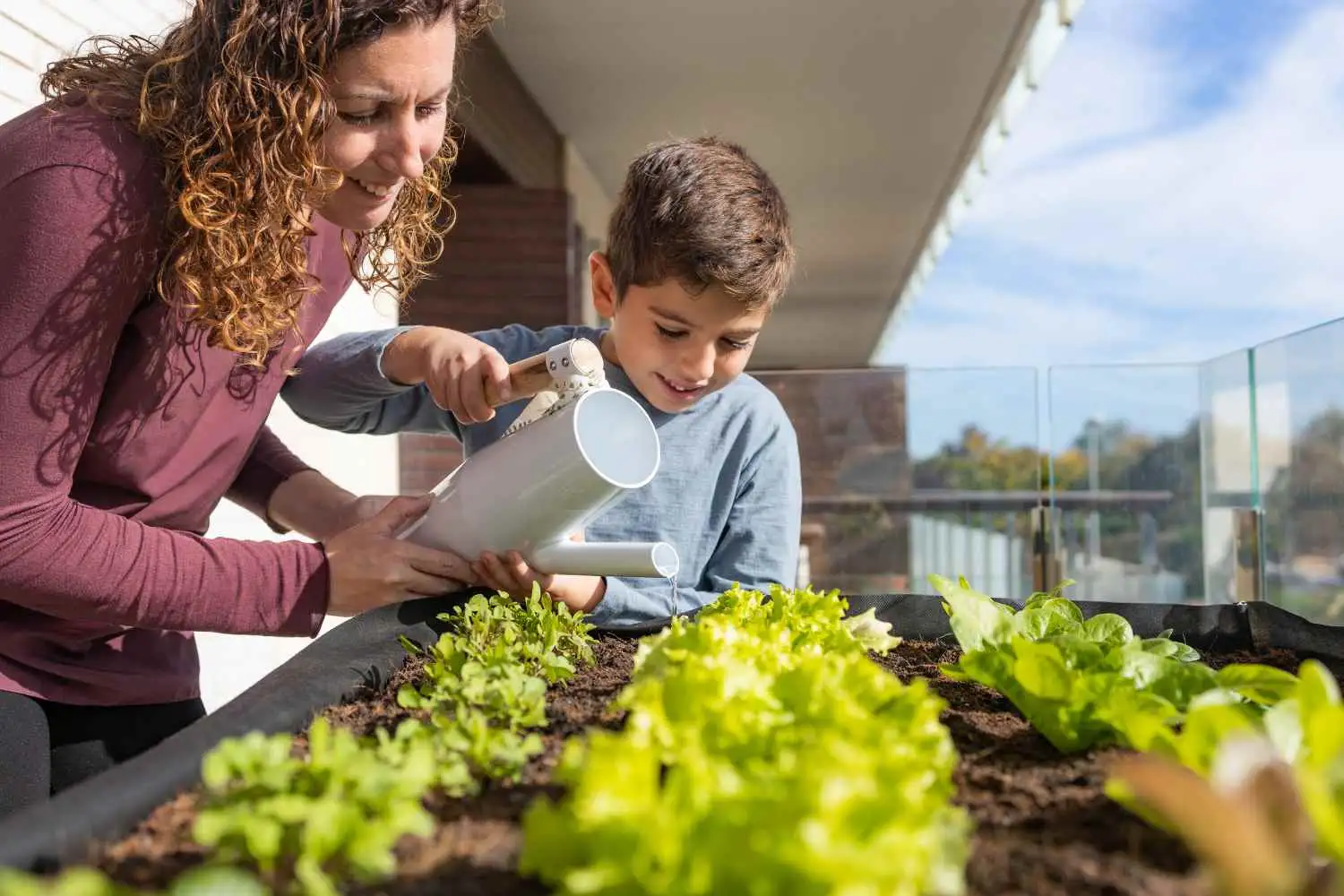
In the heart of towns and cities across the UK, patches of derelict land, allotment sites, and housing estate corners are being transformed into flourishing community gardens. These spaces, nurtured by neighbours who may have started as strangers, grow far more than vegetables. They cultivate friendship, physical health, mental wellbeing, and a tangible connection to the food that sustains life. The community gardening movement has deep roots in wartime allotments and the cooperative traditions of working‑class neighbourhoods, but a new generation is coming to the soil with fresh urgency. Concerns about food security, biodiversity loss, and the isolation that can accompany city life are all fuelling a surge in urban food growing. A local garden where anyone can join a work party or harvest a handful of beans is a quiet but powerful response to the dislocations of the modern age.
Advertorial
The health benefits of community gardening span the physical, psychological, and social. Digging, planting, weeding, and watering provide moderate, whole‑body exercise suited to all ages, improving cardiovascular fitness, flexibility, and strength without the intimidating atmosphere of a gym. The exposure to soil microbes, including the well‑studied Mycobacterium vaccae, has been linked in research to elevated mood and reduced anxiety. Time spent in green space lowers cortisol levels and blood pressure, while the mindful focus required to tend plants offers a respite from the rumination that charactersies depression. Socially, the garden is a leveller: a retired teacher, a young parent, and a teenager on work experience work side by side, sharing knowledge, seeds, and stories. For people experiencing loneliness, particularly among older urban populations, the weekly gardening session is a lifeline of belonging and purpose.
The produce from a well‑managed community garden is often astonishing in its abundance and variety. Raised beds and poly‑tunnels yield kale, chard, tomatoes, courgettes, and herbs through much of the year. Fruit bushes and small orchard trees provide apples, plums, and berries that taste incomparably better than those shipped from another continent. The food is shared among volunteers, supplied to local food banks, or sold at a pop‑up stall to fund tools and seeds. This hyper‑local production reduces food miles to mere footsteps and cuts out packaging entirely. For households on tight budgets, access to fresh, free vegetables is a meaningful supplement to their diet. Children who have only ever seen carrots in plastic bags discover the wonder of pulling one from the earth, muddy and sweet, an experience that can spark a lasting curiosity about food and nature. The garden becomes a classroom without walls, teaching nutrition, ecology, and the value of patience.