
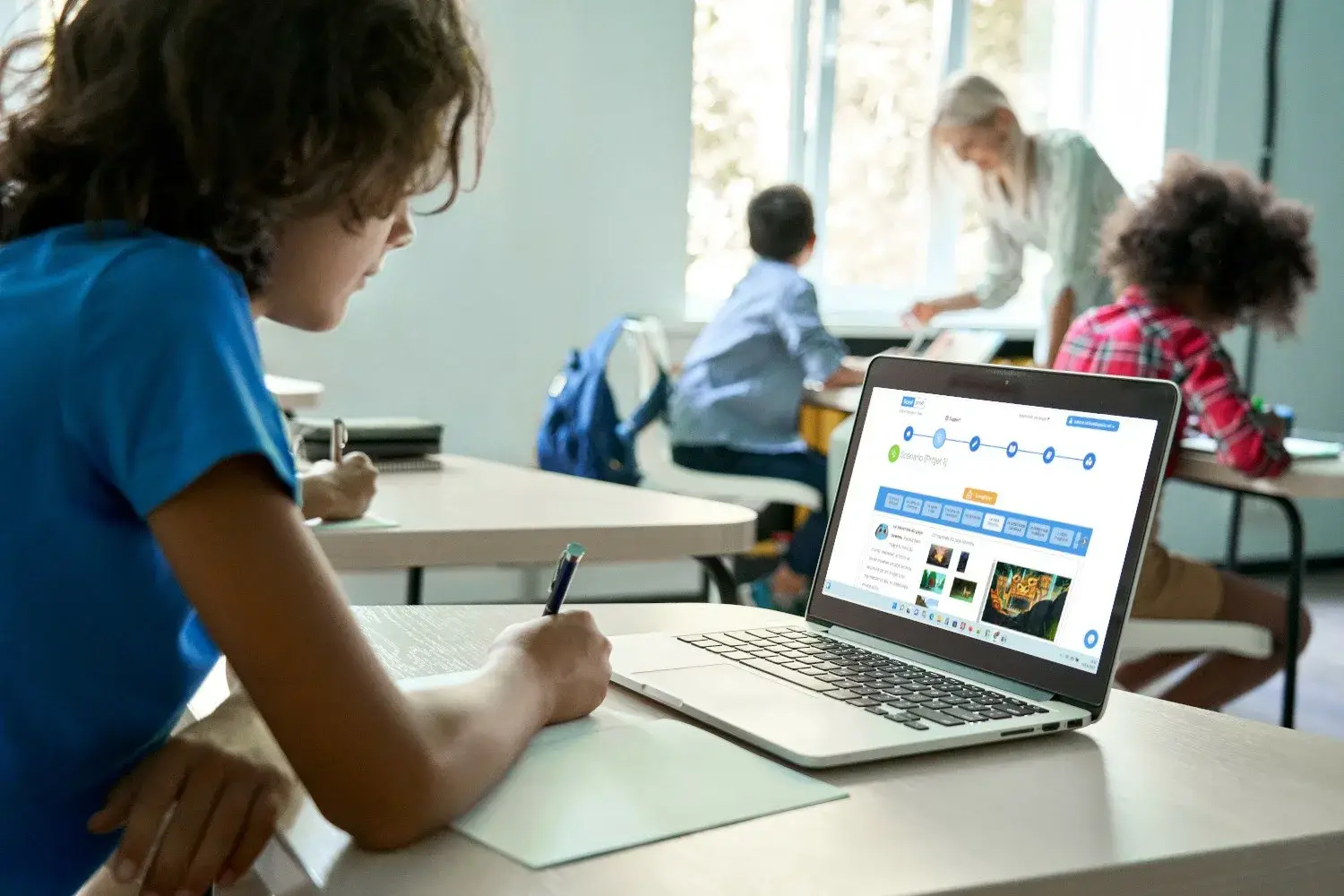
The customisability of open source allows educational institutions to adapt software to the specific needs of their learners. Accessibility features can be added to an e‑book reader; language localisation can be contributed by a community of educators; a simulation tool for physics can be tweaked to match the exact curriculum of a particular exam board. This flexibility stands in contrast to proprietary systems where feature requests can languish for years. Some schools have built their own lightweight applications for timetabling, assessment tracking, or parent communication using open frameworks, sharing them with peers in other institutions. This collaborative ethos mirrors the academic tradition of open inquiry and shared advancement. A school that can shape its digital tools, rather than being shaped by them, cultivates institutional agency and a sense of ownership.
Advertorial
Adopting open source in education is not without its challenges, and responsible implementation requires investment in training and support. Staff accustomed to a particular proprietary interface may initially resist change, and the time required to migrate data and workflows should not be underestimated. However, a growing number of organisations and local authority IT services are offering managed open source solutions, bundling the software with the support, hosting, and maintenance that busy school technicians need. Communities of practice, both online and at regional meet‑ups, provide peer‑to‑peer guidance that can ease the transition. When planning a migration, starting with a single pilot area and gathering honest feedback allows the institution to learn and adjust before expanding. The shift is best approached as a gradual, well‑supported evolution rather than an abrupt revolution.
The deeper significance of open source in education lies in the values it communicates to learners. In a world where digital devices and services are often delivered as impenetrable black boxes, open source demystifies technology and presents it as something that can be understood, questioned, and reshaped. It teaches that knowledge is a public good to be shared and built upon, a lesson that extends far beyond the computer lab. Pupils who contribute a bug fix, translate documentation, or simply explore the code behind an application learn about collaboration, agency, and critical thinking in a uniquely concrete way. As education prepares young people for an uncertain future, the skills and mindsets fostered by open source are increasingly recognised as essential. The quiet spread of free, open tools through Britain’s schools and colleges is not just a cost‑saving measure; it is an investment in a more capable, curious, and empowered generation.