
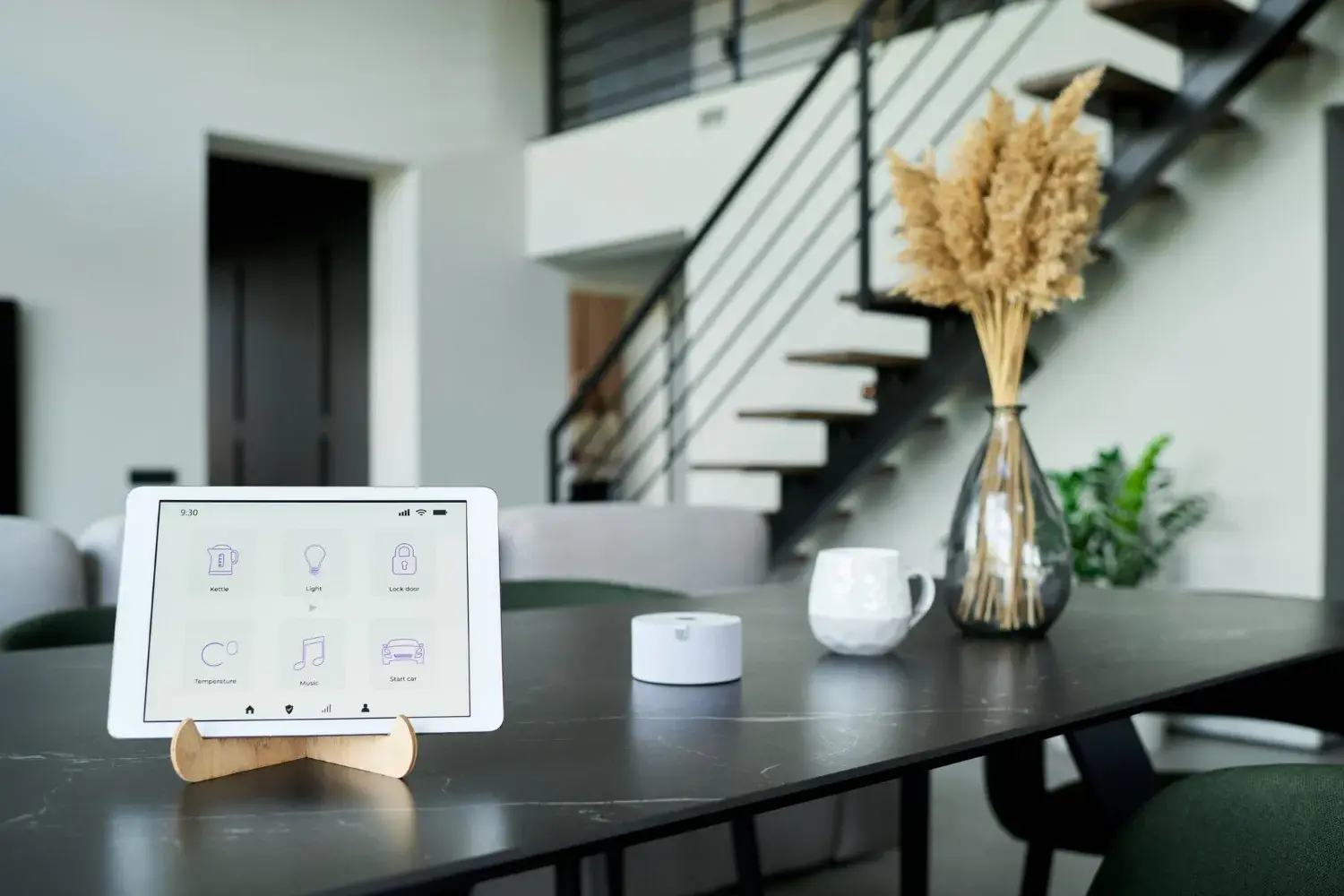
Smart home data often extends beyond what is immediately apparent. A smart thermostat learns when a home is occupied; smart meters report granular energy use; robotic vacuum cleaners generate maps of a home’s layout. Aggregated, this data can paint an extraordinarily detailed picture of a household’s daily life. The terms and conditions of many devices permit the manufacturer to share de‑identified or aggregated data with partners, but the boundaries of anonymisation are frequently tested. Consumers can push back by choosing devices that process data locally, seeking out brands that publish clear, human‑readable privacy policies, and using network‑level controls such as separate Wi‑Fi networks for smart devices to isolate them from personal computers and phones. Privacy‑focused router firmware and firewalls can monitor and restrict what data leaves the home.
Advertorial
The regulatory landscape is strengthening, providing some structural protection. The UK’s Product Security and Telecommunications Infrastructure Act, which came into force in 2024, mandates that consumer smart devices must not ship with default passwords, must have a vulnerability disclosure policy, and must be supported with security updates for a defined period. This law tackles some of the most egregious security weaknesses that have historically allowed cameras and routers to be hijacked. Additionally, the Information Commissioner’s Office has shown a growing interest in enforcing transparency around smart device data practices. Nevertheless, regulation alone cannot keep pace with the speed of product development, and the global nature of the supply chain means that devices may arrive from jurisdictions with weaker privacy protections. Consumer awareness and scepticism remain vital lines of defence.
Cultivating a privacy‑conscious mindset when adopting smart home technology does not mean rejecting convenience altogether. It means making deliberate choices, auditing the devices already present in the home, and regularly reviewing settings as software updates alter functionality. Asking simple questions before purchase—What data does this collect? Where is it stored? Can I use it without an internet connection?—can steer decisions towards products that respect agency. Internet‑connected devices are powerful tools, but every new gadget added to a network expands the digital footprint of the household. Balancing the appeal of automation and remote control with a clear‑eyed assessment of the trade‑offs is an essential skill for contemporary life. Privacy in the smart home is not a fixed state to be achieved; it is an ongoing practice of vigilance, awareness, and care.