
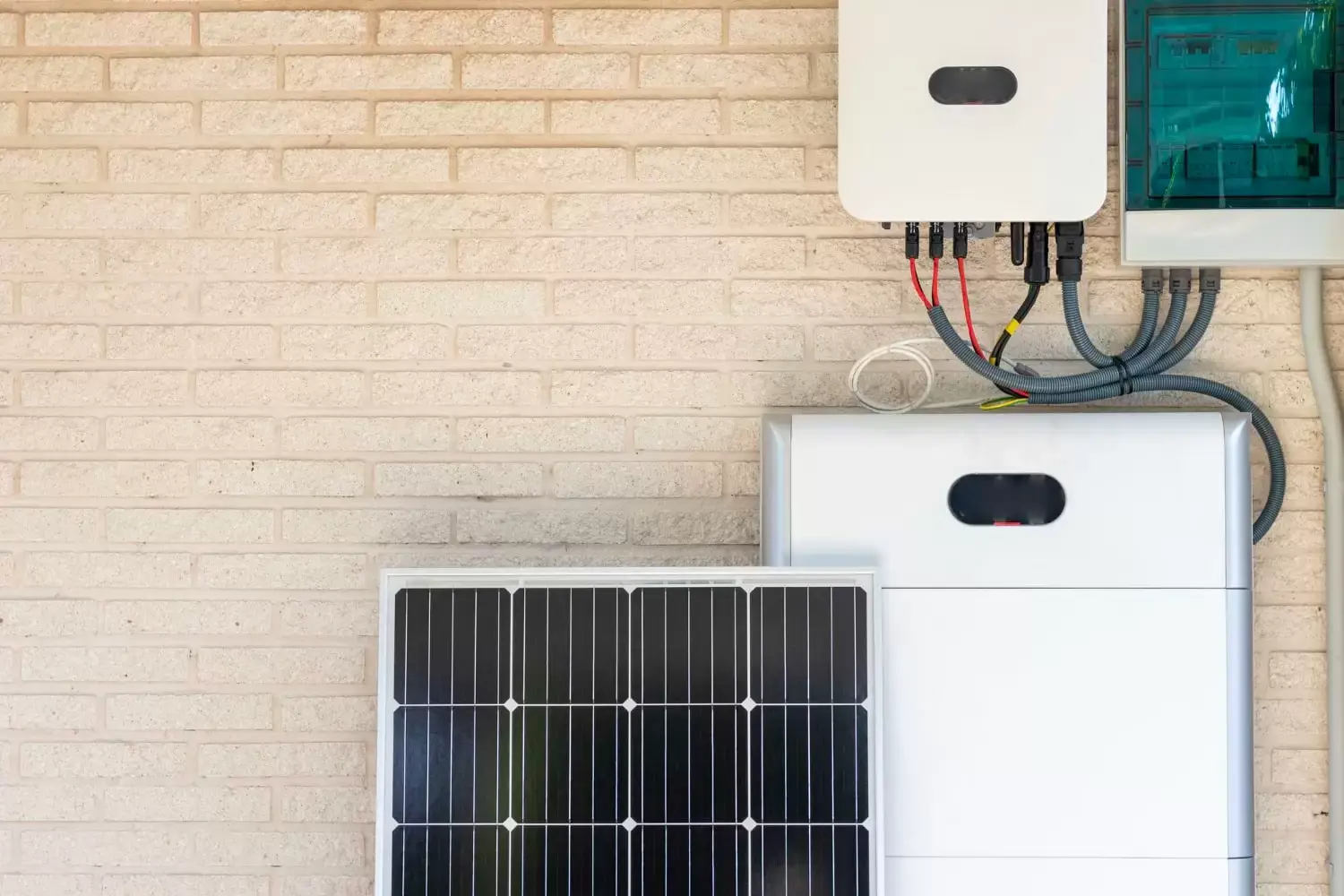
The interplay between home batteries and electric vehicles (EVs) is an emerging frontier. Vehicle‑to‑grid (V2G) and vehicle‑to‑home (V2H) technologies, where an EV’s battery can feed power back into the home or the grid, promise to amplify the storage capacity available to a household enormously. While full V2G systems are still in the pilot phase due to regulatory and hardware hurdles, bidirectional chargers are beginning to appear on the consumer market. In the near future, a family might use their car’s 60‑kilowatt‑hour battery to power the house during an evening peak and still have plenty of range for the next day’s commute, while a stationary home battery handles overnight loads. This convergence of transport and domestic energy systems is a significant step towards a more resilient, decentralised energy grid.
Advertorial
Installation and regulatory frameworks in the UK are evolving to support the uptake of home storage. The Smart Export Guarantee already pays households for exporting surplus solar power to the grid, but storing that surplus for later use often delivers greater value than exporting it. Building regulations and electrical standards have been updated to cover battery installations, and reputable installers must be certified under schemes such as the Microgeneration Certification Scheme. Homeowners considering a battery should seek a detailed site survey that assesses electrical load, existing solar generation, and the physical suitability of the installation location. As the market matures, finance options including low‑interest loans and leasing models are beginning to lower the barrier to entry, much as they did for solar panels a decade ago.
The wider adoption of home battery storage carries implications for the UK’s energy transition. Distributed storage reduces strain on transmission networks, defers the need for expensive infrastructure upgrades, and allows a higher penetration of intermittent renewable generation at the national level. Neighbourhoods with high concentrations of batteries could, in time, form microgrids that maintain power locally when the main grid is under stress. For individual households, the benefit is a measure of personal energy autonomy that feels particularly valuable in an era of volatile wholesale energy prices. While the technology is not yet a financial no‑brainer for every home, the direction of travel is clear: home battery storage is becoming smarter, safer, and more integrated, and it is poised to become a standard feature of the twenty‑first‑century home.