
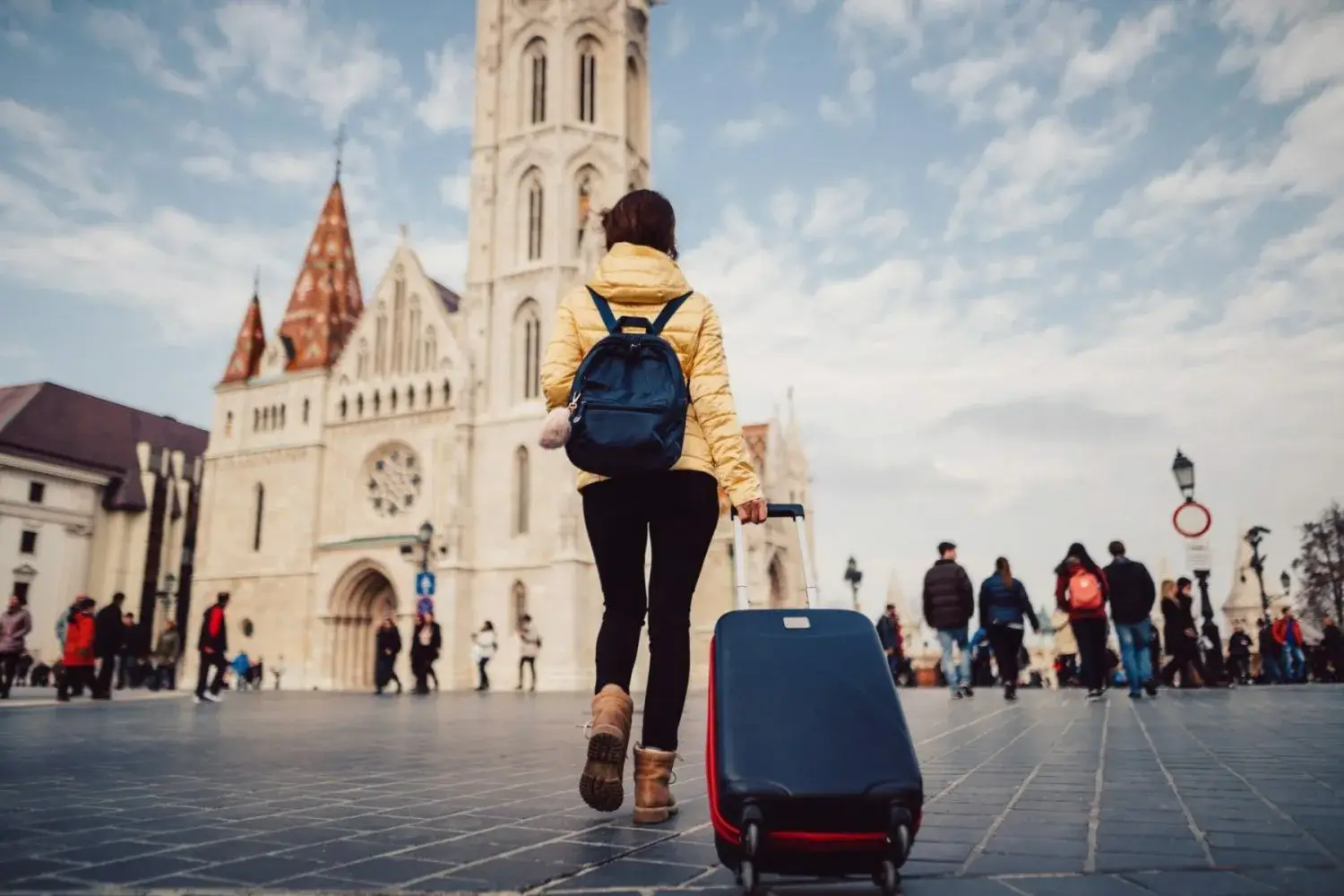
Environmental considerations are a significant motivator for the shift towards slow travel. Short‑haul flights generate a disproportionately large carbon footprint relative to the distance travelled, and a growing number of travellers are seeking to reduce their personal impact. A single flight might be replaced by a combination of trains, buses, and ferries that, while taking longer, align more closely with a traveller’s environmental values. Many slow travellers also support local, low‑impact accommodation such as family‑run guesthouses, agriturismi, and eco‑lodges that source food locally and employ residents. The economic benefit of slow travel is distributed more evenly, flowing into rural enterprises and preserving traditional crafts and farming that might otherwise decline. This conscious alignment of travel choices with personal ethics is no longer a fringe concern; it is entering the mainstream.
Advertorial
The practicalities of slow travel require a different mindset and a willingness to relinquish tight control. Long‑stay travellers learn to embrace spontaneity—an invitation to a village festival, an unexpected recommendation from a host, an afternoon whiled away in a café because the rain arrived. Packing light enough to carry one’s bag up a steep cobbled street or onto a regional train becomes part of the skill set. Travel insurance, visas, and mobile connectivity remain important, but the emphasis shifts from managing a packed schedule to being present and resourceful. Guidebooks and apps are still useful, but the best advice often comes from the people met along the way. Slowing down does not mean doing nothing; it means doing things with attention, whether that is learning a few phrases of a local dialect, sketching a landscape, or simply sitting still and watching the light change.
The growth of slow travel in Europe is not an outright rejection of all that has come before but a rebalancing. There will always be occasions when a short city break or a quick flight is the most practical option. Yet the hunger for a more meaningful, less hurried form of travel is unmistakable. Tour operators, rail companies, and tourism boards are responding with packages that emphasise multi‑day hikes, culinary workshops, and cultural residencies. As the movement matures, it chimes with a wider cultural longing to reclaim time, to savour rather than consume, and to travel in a way that enriches both the visitor and the visited. For those willing to step off the conveyor belt, Europe offers an inexhaustible tapestry of places where lingering is not only permitted but celebrated.