
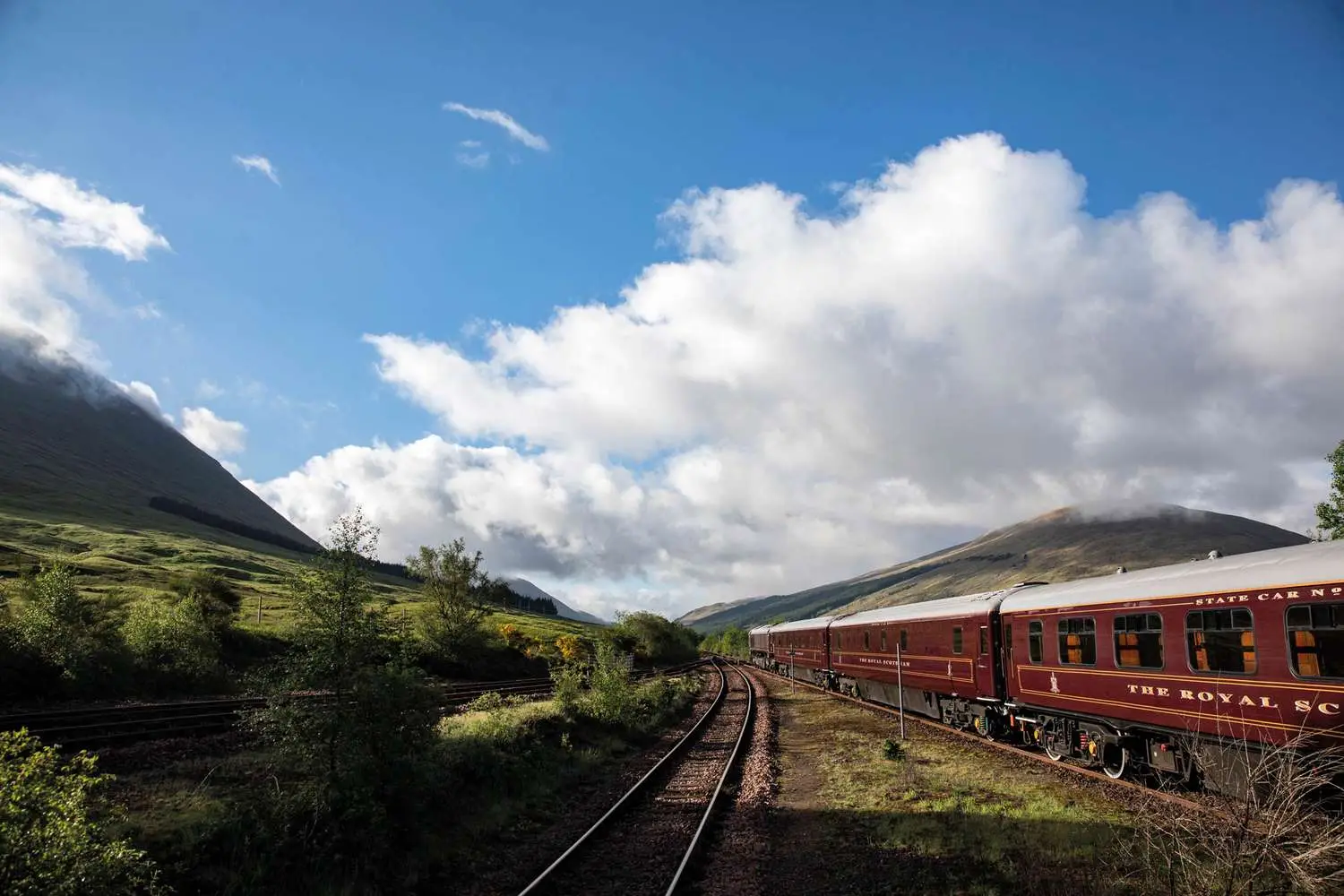
Britain’s railways, long the subject of complaint about fares and punctuality, are enjoying a quiet renaissance as a mode of leisure travel. A growing number of people are rediscovering the pleasure of a long‑distance rail journey, whether for a weekend escape to the coast, a cross‑country adventure to the Highlands, or a scenic day trip through national parks. This revival is fuelled by a mixture of environmental awareness, nostalgia, and genuine practical appeal. Train travel allows passengers to watch the countryside roll by, read a book, or enjoy a meal without the stress of driving or the hassle of airports. The network’s reach into the heart of cities and the depths of rural areas makes it an unrivalled way to explore the full variety of British landscapes. Slowly but perceptibly, the train is becoming a destination in itself.
Advertorial
The scenic rail routes of the UK are among its great, under‑appreciated assets. The Settle‑Carlisle line, crossing the remote Pennines and the soaring Ribblehead Viaduct, offers views of wild moorland and steep valleys that are inaccessible by road. The Cambrian Coast line in Wales hugs the edge of Cardigan Bay, with the sea lapping at the track’s edge in places. The Far North Line from Inverness to Wick passes through the vast, open landscapes of Sutherland and Caithness, where the sense of space and sky is humbling. On the south coast, the stretch from Exeter to Newton Abbot along the seawall at Dawlish continues to thrill passengers as waves crash against the window. These journeys are not merely transport; they are experiences that connect people to the geography and history of the country in a visceral way. Heritage railways, run largely by volunteers, complement the national network, preserving steam and early diesel services on meticulously maintained lines.
Practical improvements are making rail travel more appealing. Advances in online booking have simplified the purchase of advance tickets, which can be remarkably cheap if bought a few weeks ahead of travel. Digital apps provide real‑time information on platforms and delays, helping passengers navigate connections with less anxiety. Some operators have introduced rolling stock with larger windows, more comfortable seating, and reliable Wi‑Fi, though consistency across the network remains uneven. The introduction of flexible season tickets and the growth of railcard schemes have widened access for part‑time commuters and leisure travellers alike. While legacy issues of infrastructure funding and industrial relations persist, the day‑to‑day experience for many leisure passengers is improving, especially on the longer‑distance intercity routes. Station revivals—think of the restored St Pancras or the bright, modern concourses at King’s Cross and Birmingham New Street—have also transformed the sense of arrival.