
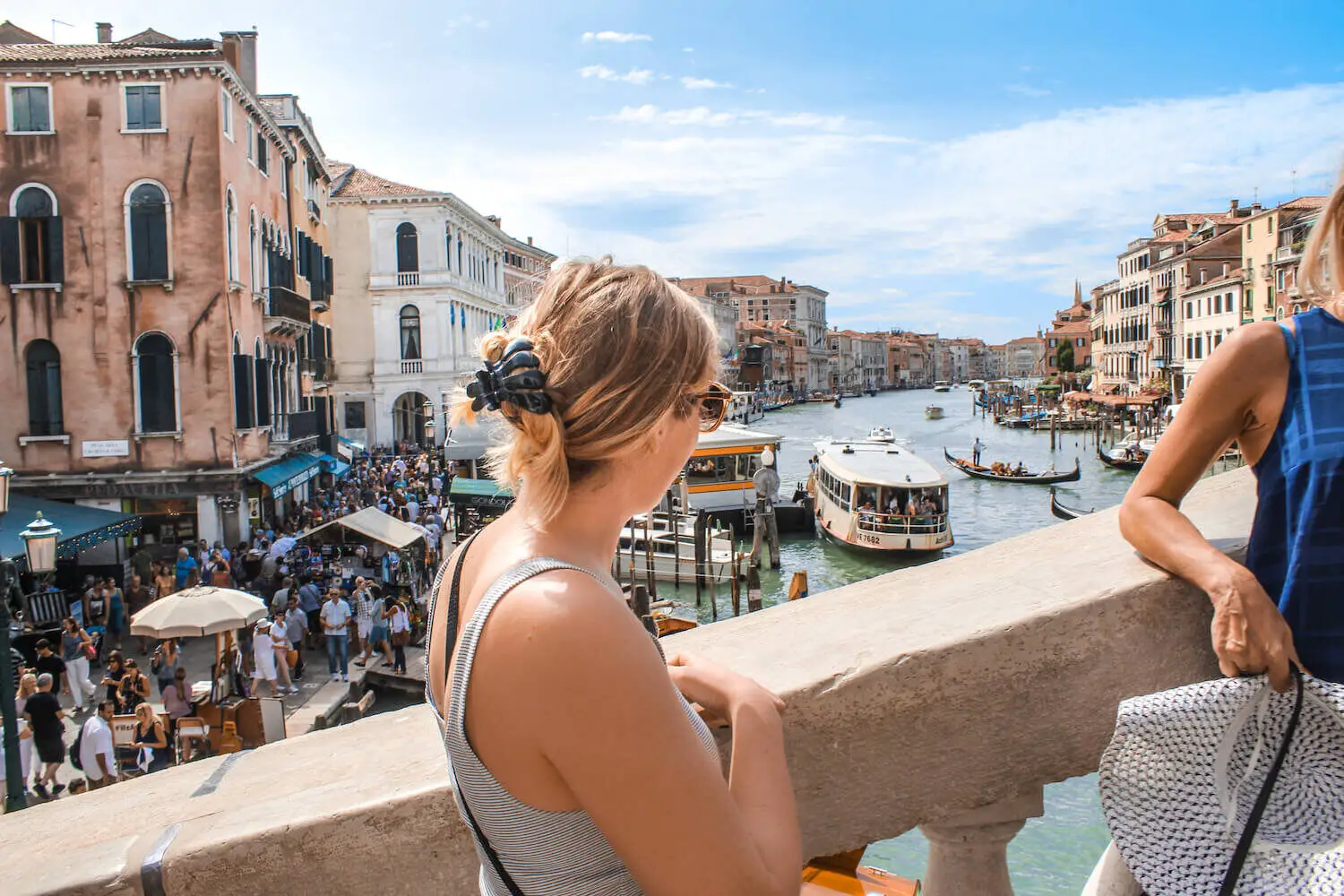
The cultural calendar of a city often has hidden gems scheduled during the quieter months. While the big summer festivals and events draw the masses, winter and early spring can bring film festivals, classical music series, seasonal markets, and art exhibitions that are no less compelling. Local theatres, opera houses, and concert halls run their core seasons during this period, and obtaining tickets is far easier and cheaper than it would be for a summer tourist‑targeted show. Restaurants that are booked solid in July become accessible, and chefs have more time to talk to diners. The absence of queues at major museums is a revelation; standing alone before a painting in a quiet gallery is an experience that summer visitors can only imagine. The city feels less like a product being sold and more like a living organism into which the visitor has been graciously received.
Advertorial
Packing for an off‑season city break requires adaptability but not necessarily a heavy suitcase. Layering is the key, with a good base layer, a warm mid‑layer, and a waterproof, wind‑resistant outer shell covering most conditions from chilly mornings to mild afternoons. Comfortable, waterproof footwear is non‑negotiable, as pavement pounding is the signature activity of any city visit. A scarf and gloves take up little room but make a café terrace feasible even on a brisk day. The lack of oppressive heat means walking tours, park strolls, and canal‑side wanders remain genuinely pleasant. Moreover, cities in northern Europe dress their public spaces with lights, open fires, and hygge‑inspired cosiness that can make a winter break feel deeply inviting rather than bleak. The climate, embraced with the right clothing, becomes part of the charm rather than an obstacle.
There is a psychological benefit to travelling when most others stay home. The pause from the pressures of peak season allows a traveller to breathe, to wander without a rigid itinerary, and to absorb the atmosphere of a place at a pace that feels natural. Public spaces, from parks to marketplaces, reveal their everyday character. Conversations with locals, whether a bookseller or a tram driver, are easier to strike up when they are not overwhelmed by a constant stream of tourists. The off‑season city break is thus not merely a budget tactic but a portal to a different, often more meaningful, travel experience. It is a reminder that a city’s soul is present in all seasons, and that the quiet months offer their own distinctive, luminous magic for those prepared to step outside the conventional calendar.