
The relationship between the accommodation and the surrounding community is a vital component of sustainability that is sometimes overlooked. An eco‑friendly hotel or guesthouse should be a good neighbour, hiring locally, paying fair wages, and contributing to the cultural life of the area. Some establishments act as informal visitor centres, pointing guests towards local artisans, independent cafés, and walking routes rather than packaged tours. They may support conservation projects, such as a rewilding initiative or a beach clean‑up, and invite guests to participate or contribute. This community‑centred model ensures that the economic benefits of tourism flow directly to the people who live in the destination, rather than being siphoned away to distant shareholders. For the traveller, it also enriches the experience, offering access to authentic local knowledge and a sense that their visit is leaving a positive trace.
Advertorial
Greenwashing remains a challenge, and a sceptical eye is a traveller’s best tool. Vague terms such as “green” or “nature‑friendly” without specific, verifiable evidence should prompt further inquiry. Reliable third‑party certifications, detailed environmental policy pages on a property’s website, and recent, thoughtful guest reviews that mention sustainability in concrete terms are more trustworthy indicators. Websites that specialise in eco‑accommodation, such as Sawday’s and the Green Tourism scheme’s listings, offer curated collections that do much of the vetting. A quick check of an establishment’s social media presence can also reveal whether its environmental claims are part of a consistent, long‑term story or a hastily assembled marketing push. Taking the time to conduct these small checks safeguards against disappointment and ensures that the money spent genuinely supports better practices.
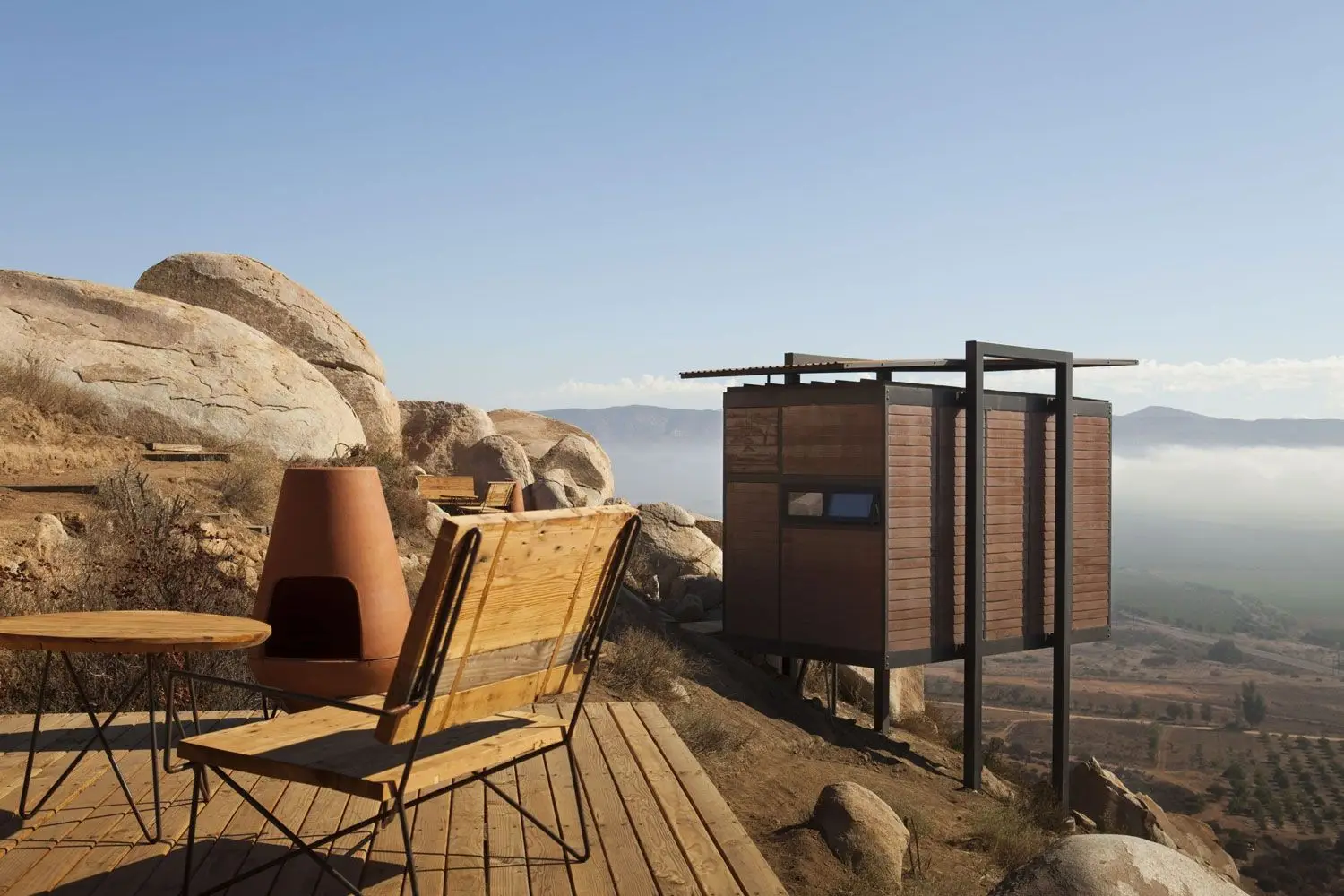
The shift towards eco‑friendly accommodation is reshaping the travel landscape from the bottom up. As demand consolidates, larger hotel groups are investing in sustainability departments, retrofitting their properties, and setting public carbon‑reduction targets that must be met. Competition among small, independent eco‑owners has spurred creativity, leading to innovations such as treehouse stays built from locally felled timber, off‑grid cabins powered solely by the sun, and houseboats that filter and reuse greywater. The availability of such options across the UK and Europe has never been greater. For travellers, this means that the choice no longer lies between comfort and conscience. A restful night’s sleep, a delicious breakfast, and a genuine care for the places that are visited can, increasingly, be found under the same roof.