
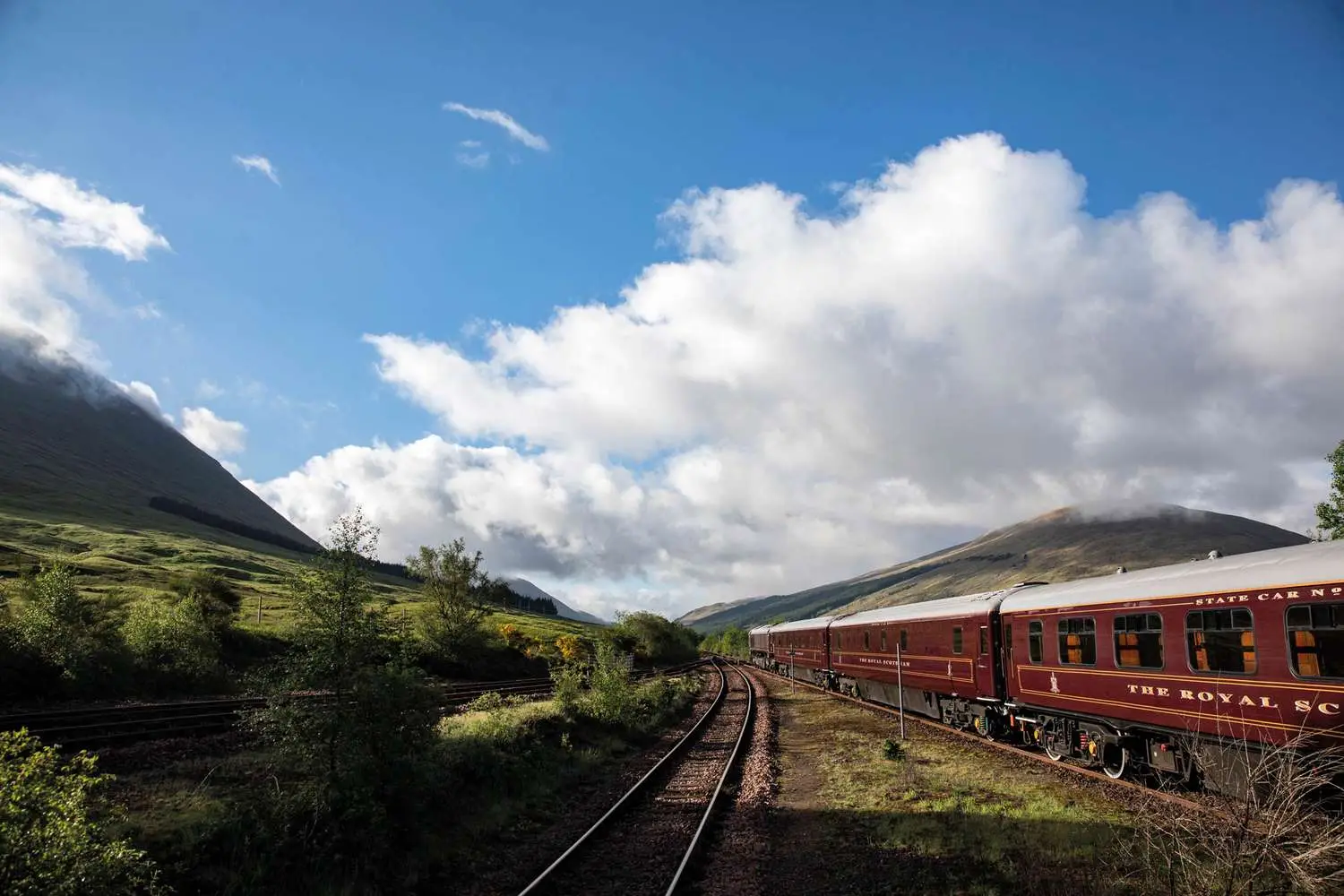
The environmental case for rail strengthens its appeal. Per passenger kilometre, train travel generates a fraction of the carbon emissions of either car or domestic flight journeys. For those concerned about their climate impact, choosing the train is a tangible action. This motivation has been particularly influential among younger travellers, who are more likely to factor carbon into their holiday decisions. Operators have noticed this shift and are marketing their green credentials more prominently. The government’s target to decarbonise the railway by 2050, through electrification and the deployment of battery and hydrogen trains on non‑electrified lines, signals a long‑term commitment. The rail revival is thus aligned with national decarbonisation goals, lending it a sense of purpose that extends beyond simple leisure. Taking the train becomes a small vote for a less polluting, more connected country.
Advertorial
Rail travel also opens up access to walking, cycling, and nature that a car‑centric trip often precludes. Trains deliver walkers to the start of long‑distance paths without the need for a linear car‑shuffle. Cyclists can use designated bike spaces on many regional services to reach quiet lanes and forest trails. The “rail and sail” ticket, combining a train to a coastal station with a ferry ticket to an island or across a loch, weaves an adventure that feels greater than the sum of its parts. This multi‑modal approach encourages a slower, more grounded form of tourism that sustains rural pubs, B&Bs, and independent shops along the route. Small towns with stations are discovering the economic benefit of welcoming car‑free visitors who arrive ready to spend their money locally rather than on fuel. The network effect of the railway, linking people, places, and other modes of sustainable travel, is a powerful engine for regional economies.
The revival of the rail journey is as much about state of mind as it is about timetables and track. It involves a conscious choice to step out of the rush and grant the journey the same importance as the arrival. A group of friends with a deck of cards, a family gazing out at a passing deer herd, a solo traveller journaling with a cup of tea as the train rocks gently—these are the quiet human scenes that make rail travel rich. The UK’s railways are imperfect and at times frustrating, yet they remain a remarkable inheritance that continues to offer a unique way of seeing the country. The current groundswell of enthusiasm for rail journeys suggests that, after decades of being taken for granted, this steel‑threaded web is being seen with fresh eyes.