
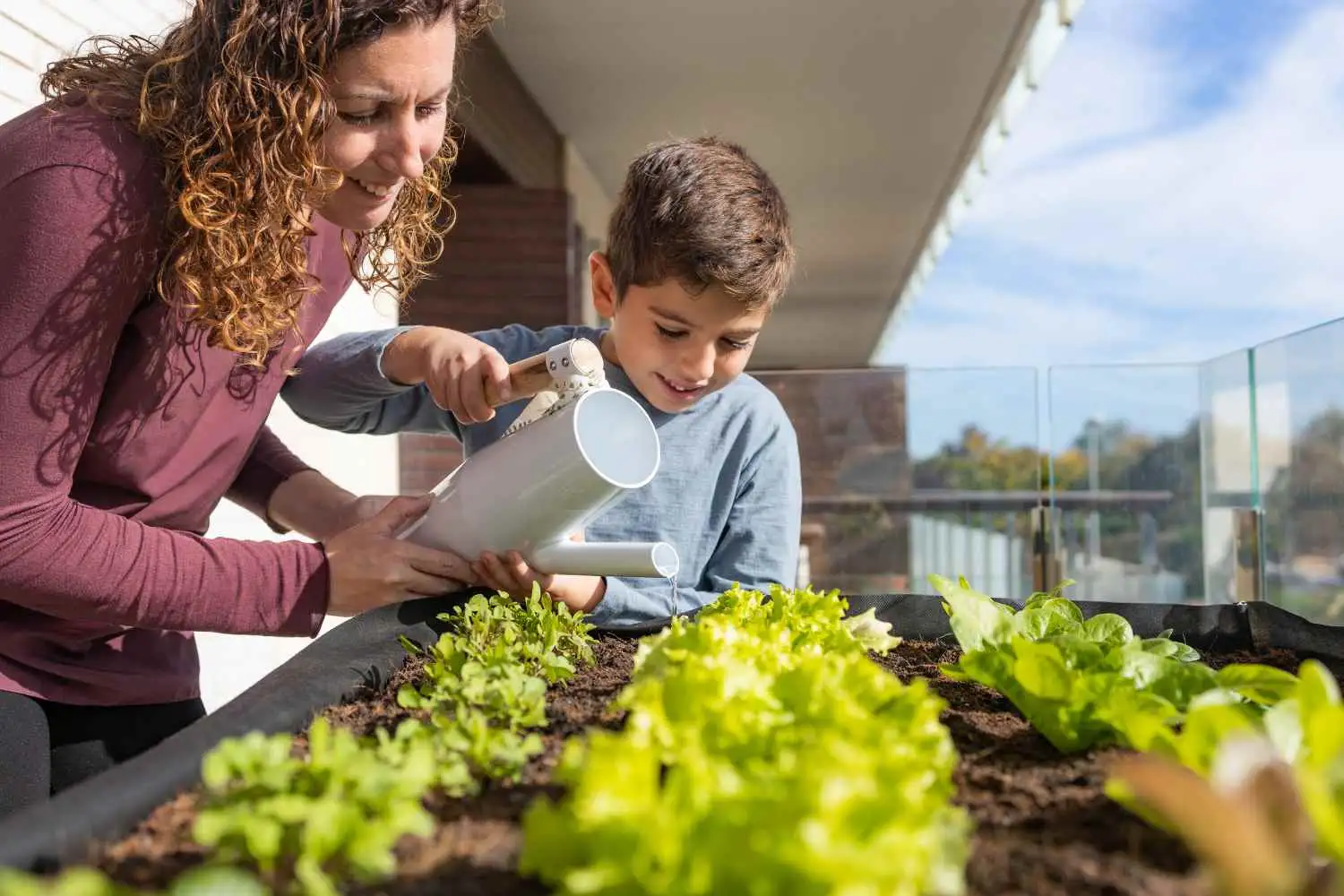
Environmental gains from urban community gardens extend well beyond the food grown. Even a modest plot, planted with a dense mix of flowers, shrubs, and vegetables, becomes a hotspot for pollinators and beneficial insects. Birds, frogs, and hedgehogs are drawn to the cover and the plentiful prey. Composting on site diverts kitchen and garden waste from landfill, producing a rich soil conditioner that closes a local nutrient loop. Rainwater harvesting from shed roofs reduces demand on treated mains water. Gardens absorb rainfall that would otherwise run off paved surfaces and overwhelm drains, a small but cumulatively valuable contribution to urban flood resilience. The collective ecological impact of hundreds of community gardens across a city is a patchy but expanding network of habitat that challenges the notion of urban spaces as biologically sterile zones.
Advertorial
Starting a community garden requires negotiation with a landowner—be that the council, a housing association, or a private landlord—and a core group of committed organisers. A formalised committee, a simple lease or licence, and public liability insurance provide a governance structure that protects volunteers and funders. Grant funding for tools, raised beds, water connections, and training is available from sources such as the National Lottery Community Fund, local authorities, and charitable trusts. A successful garden builds a broad base of support, reaching out to schools, disability groups, and refugee organisations. Skill‑sharing workshops on composting, pruning, and seed saving empower volunteers and keep the project sustainable. The gardens that thrive are those that invest as much in human relationships as in soil fertility, creating a culture where everyone feels their contribution is valued.
In an era when supermarket shelves can suddenly empty and when the industrial food system is vulnerable to distant shocks, community gardens remind people of an older, more secure way of feeding themselves. They re‑skill a generation that has been disconnected from the land, teaching the foundational knowledge of how to grow food, save seed, and build soil. Beyond practicality, they offer a vision of a softer, more collaborative city, where land is not solely a financial asset but a shared canvas for life. The gardens are places of joy: the laughter of a toddler chasing a butterfly, the quiet absorption of an elderly man pricking out seedlings, the pride in a bumper tomato harvest. Each green patch is a small rebellion against neglect, a planted prayer for the future, and a living proof that even in the most urban of places, the earth is generous and the community strong.