
Community engagement lies at the heart of contemporary coastal management. Decisions about whether to defend, adapt, or eventually withdraw are deeply emotional, tied as they are to homes, family histories, and local identity. Coastal partnerships that bring together councils, landowners, conservation organisations, and residents’ groups seek to build consensus through dialogue, co‑design, and transparent sharing of evidence. Where relocation is deemed necessary in the long term, early conversations about planning, compensation, and support allow affected households to plan their futures with dignity rather than waiting for a crisis. The role of the coast as a public amenity for millions of visitors also weighs on decisions, as access to beaches, footpaths, and views must be balanced against the need to manage a changing shoreline. Finding solutions that are socially fair as well as technically sound remains the hardest challenge.
Advertorial
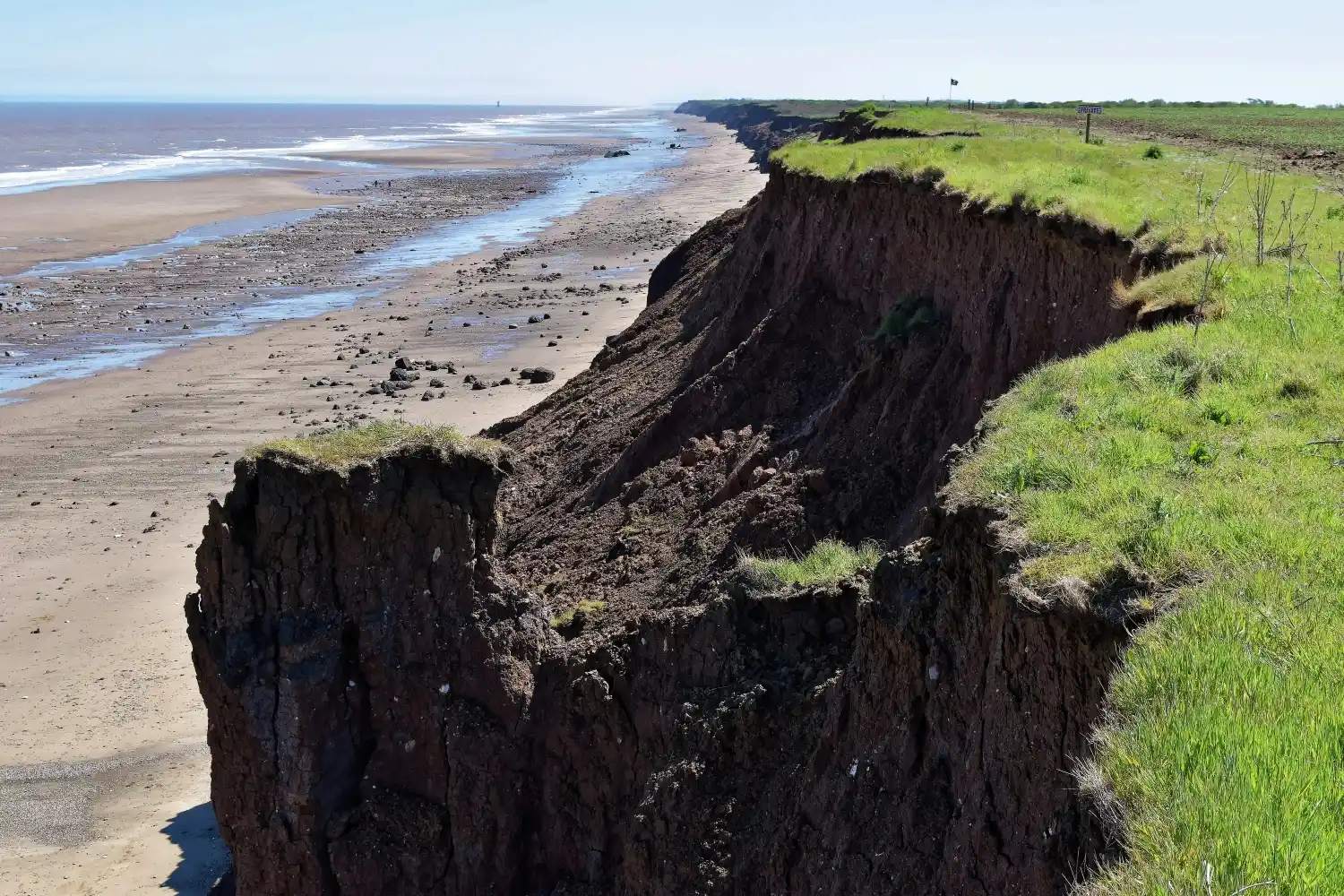
The geological variety of the south coast means that erosion manifests differently from place to place, defying any single solution. The chalk cliffs of the Seven Sisters and the Jurassic Coast will continue to crumble, providing the fresh rockfalls that maintain the beaches below, a natural process that is essential to the landscape’s designated beauty and scientific value. The soft glacial sediments of the Holderness coast in Yorkshire—technically north‑east, but part of the same national conversation—recede at some of the fastest rates in Europe. The heavily urbanised frontages of cities such as Portsmouth and Southampton rely on a complex system of tidal defences and pumping stations. In each location, the specific geology, sediment supply, land use, and community aspirations must be assessed. The one constant is the need to monitor change constantly, using LiDAR surveys, satellite imagery, and citizen‑science beach profiling to feed the data‑driven models that inform planning.
The south coast’s battle with the sea is ancient, but the frame has shifted. The conceit of total human control, briefly ascendant in the concrete‑heavy decades of the mid‑twentieth century, is giving way to a more humble, ecological realism. Coastal erosion management is becoming less about defending a fixed line and more about managing a dynamic, living boundary that will shift as the planet warms. This demands courage, long‑term thinking, and a national willingness to invest in the transition of vulnerable places. Where it succeeds, the result will be a coastline that is not simply held in stasis but is allowed a new vitality: richer in wetlands, more absorbing of storm surges, and still shaped by the elemental forces that have always made the edge of the land a place of wonder, risk, and constant becoming.