
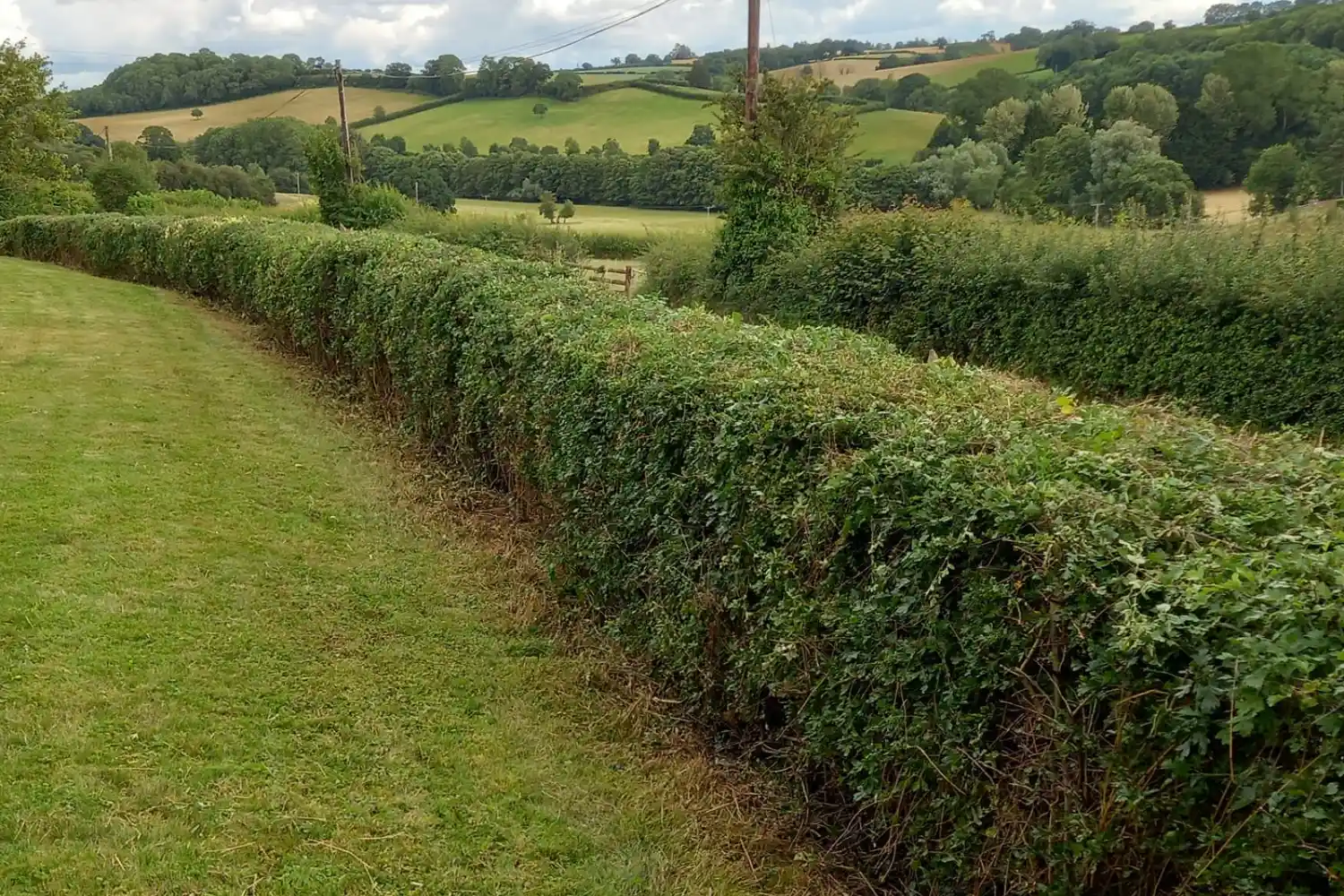
The carbon storage potential of hedgerows is attracting funding and policy support. Research indicates that a kilometre of well‑managed hedgerow can sequester significant amounts of carbon in its woody biomass and in the soil organic matter that accumulates beneath it. As the UK strives towards its net‑zero targets, hedgerow creation and restoration are being factored into national carbon‑removal calculations, opening access to carbon‑credit payments for landowners. Schemes such as the Countryside Stewardship programme and the new Environmental Land Management system provide grants for hedgerow planting and ongoing management, such as laying and coppicing. These financial incentives are making it possible for farmers to set aside land for hedges without sacrificing their economic viability. The hedge is thus being reframed as a capital asset with a long‑term return, rather than a liability or a quaint relic.
Advertorial
Planting a new hedgerow is a skilled operation that requires preparation and patience. The ground must be cleared of competing vegetation, and a mix of locally appropriate, bare‑root saplings are planted in a staggered double row. A biodegradable mulch mat or a strip of grass‑suppressing material helps the young plants establish by reducing competition for water. Protection from rabbits, hares, and deer in the form of spiral guards or fencing is often necessary in the early years. The hedge must be kept free of invasive weeds and may need supplementary watering during dry spells. Once established, usually after three to five years, the hedge begins the cycle of growth and periodic management—trimming in a rotation that allows some sections to flower and fruit each year—that maximises wildlife benefit. Community planting days, where neighbours and school groups participate, are becoming a popular way to tackle larger projects, spreading knowledge and building a sense of shared investment in the landscape.
The aesthetic and cultural return of hedgerows is as significant as the ecological one. A landscape criss‑crossed by hedges is a readable landscape, tracing the lines of ancient fields, parish boundaries, and sunken lanes. It restores a sense of intimacy and scale to the countryside that was lost when fields swelled to prairie proportions. The seasonal progression of a hedgerow—the white blossom of spring, the deep green of summer, the jewel‑bright berries and golden leaves of autumn, the stark, beautiful architecture of winter—provides a living calendar that connects communities to the land. The restoration of hedgerows is a collective act of repair, a recognition that the inherited countryside is not a blank canvas but a textured, storied place worthy of care. Each hedge planted today is a legacy that will shelter, feed, and delight for generations to come, bridging the gap between past wisdom and future necessity.