
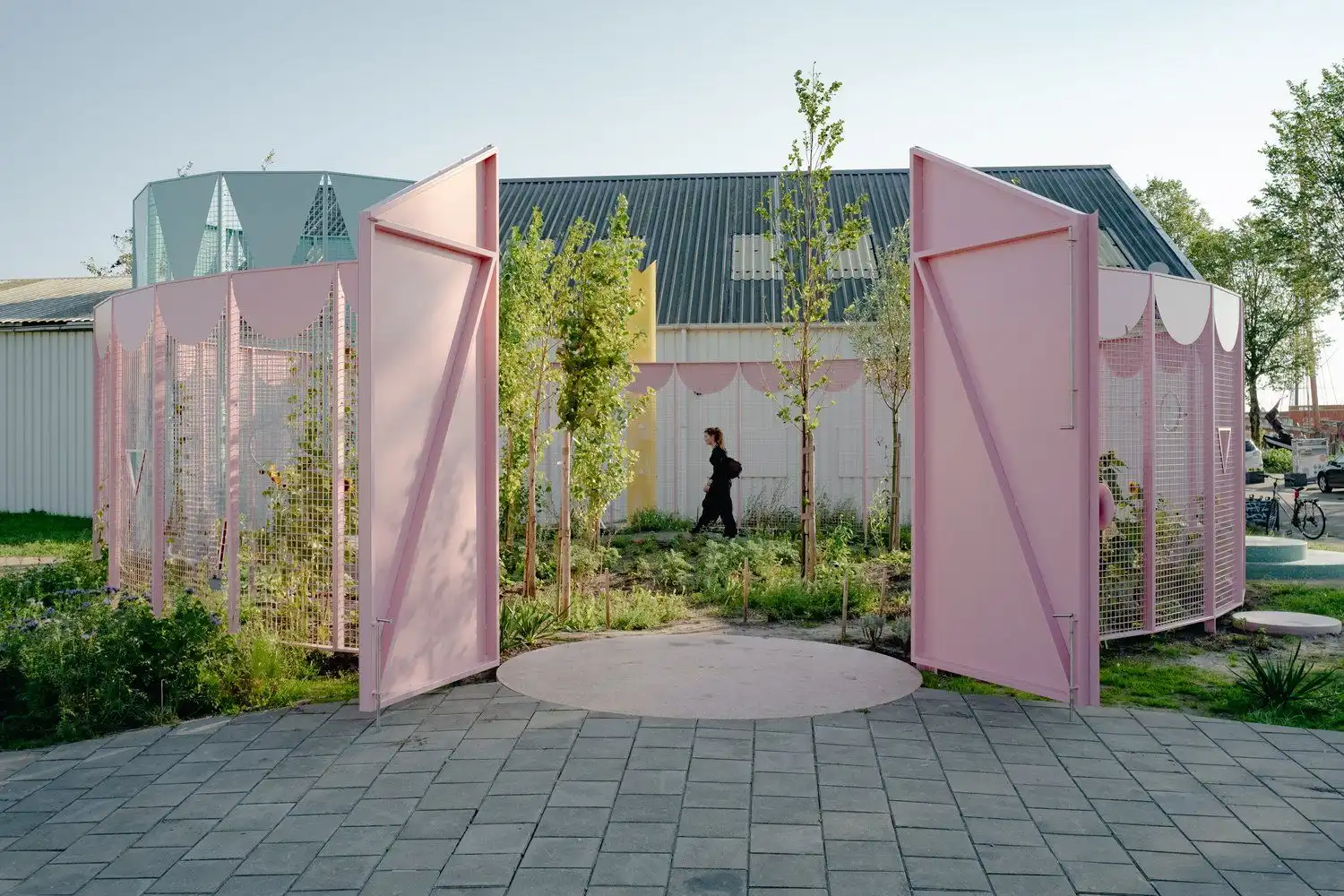
Overcoming resistance from those who associate a well‑kept lawn with order and respectability requires patience and communication. Some residents fear that long grass will attract vermin or become a fire hazard, or they simply find the look unkempt. Successful projects counter these concerns with clear signage explaining the purpose, with carefully mown borders that frame the wild area and give a sense of intentionality, and by inviting dialogue at every stage. Letting one trial patch flourish for a season, and observing the response, often shifts opinion as people notice the butterflies and the birdsong. Councils, once nervous about complaints, are increasingly adopting rewilding policies themselves, having seen that managed wildness can reduce maintenance costs and contribute to climate resilience by absorbing rainwater and cooling the air. Policy and public education are gradually reshaping what is considered beautiful in a suburban setting.
Advertorial
The pace of change in a rewilded suburban space can feel miraculous. In the first year, the grass grows tall and a few pioneer wildflowers appear. By the second or third year, with the soil no longer being stripped of nutrients by constant mowing and raking, perennial species gain a foothold and the sward becomes more diverse. A small pond, dug by volunteers and filled with rainwater, is colonised by pond skaters, water beetles, and eventually amphibians. The soundscape shifts from near silence to the constant thrum of bees and the chatter of starlings. These tangible results, visible from the kitchen window, create an emotional connection to the natural world that is far more immediate than a television documentary. People begin to notice the seasons not just by the weather but by the arrival of swifts, the seeding of teazles, and the deepening of leaf colour in autumn. The suburban wildscape becomes a gentle, daily teacher of ecological literacy.
The broader significance of this domestic rewilding lies in its accessibility. Not everyone can travel to a national park or donate to a large‑scale conservation charity, but almost anyone can leave a corner of their garden unmown, plant a native bush, or lobby their council to manage a verge differently. The cumulative effect of thousands of small actions across the suburbs of Britain could, in time, create a tapestry of habitat covering an area larger than some of the country’s official nature reserves. In an age of ecological anxiety, suburban rewilding offers a form of agency that is tangible, local, and hopeful. It is a reminder that nature is not confined to the distant and the pristine; it is waiting at the edge of the lawn, ready to return if given half a chance.